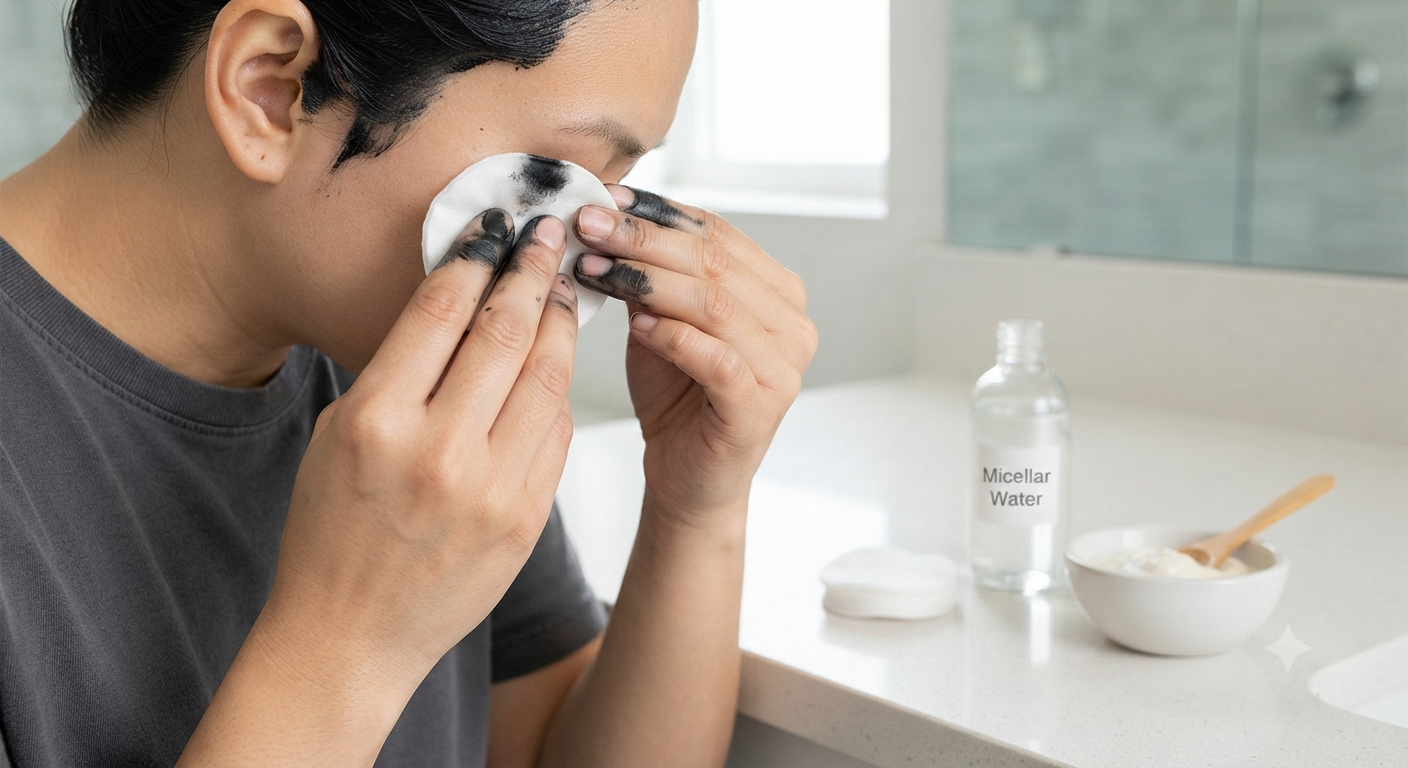
Dyeing your hair in the comfort of your own home can certainly save time and money, but more often than not, it leaves an annoying souvenir-a stain or two around your hairline, ears, neck, and/or fingers. If you’re researching how to get hair dye off skin, chances are you want an instant fix that won’t irritate your delicate epidermal layers. Fortunately, most hair dye stains on skin can be temporarily removed using safe, gentle cleaning practices, and will fade completely over time, especially if dealt with right away.
How hair dye stains the skin If you don’t know why, the explanation is quite simple: While dye works by penetrating the hair shaft, when in contact with the epidermis, it can temporarily adhere to the outer layer of skin cells.
This effect is most noticeable with dark hair dye shades including black, brown, blue and red, because they contain potent pigments. Hair dye intended for long-term application, or “permanent” dye, will be significantly harder to remove than temporary or semi-permanent options, but even their pigmentation typically comes away in due time. How to remove hair dye stains From Your Skin Regardless of whether you used permanent dye, temporary rinse color, box color, or a high-end professional formula, hair dye stains on the skin can seem stubbornly persistent. Because of your hair’s strong pigment, they seem almost like a tattoo.
Removing a hair dye stain involves lifting pigment away without destroying your skin’s natural barrier of protective oil and dead cells-which are not easy, either, to be certain.
Using harsh products may remove the stain more quickly, but they can also cause redness, dryness, and irritation, so it’s better to follow a sensitive skin care routine when treating stained skin.It’s always preferable to remove dye stains with ingredients that may already be lying around your home and haven’t irritated skin before. Here’s why hair dye stains your skin, which stain removal solutions work best, the tips and methods to avoid, and the strategies for preventing future dye stains.
Why Hair Dye Stains the Skin
Knowing the cause of hair stain also help to easily remove it with less hazard. Hair dye molecules contain colouring compounds that are put on the hair to color the hairs. As the pigments touches your skin, they remain embedded on the surface layer of cells (stratum corneum) which are made up of old non-vital skin cells. Skin renovates by itself every 3-4weeks the cause they will shed themselves after this period of time and eventually you get off from your hair dye stain.
Several factors influence how noticeable a stain becomes:
- Darker dye shades contain more concentrated pigments.
- Permanent dyes generally stain more than temporary formulas.
- Leaving dye on the skin for an extended period allows more pigment to bind.
- Dry or rough skin tends to absorb color more easily than well-moisturized skin.
- Areas around the hairline, ears, and hands are most commonly affected because they come into direct contact with the dye.
The sooner you clean the affected area, the easier it is to remove the stain before the pigments fully settle into the skin.
Remove Hair Dye Immediately with Soap and Warm Water
Keep it simple and rinse The easiest technique to get off hair dye, especially if the stain is new. The moment you notice hair dye on your skin, use warm water to rub it off a little cleanser or a facial wash that can be harsh. Using round moves on your hands you will scrub with fingertips, as gently as possible while focusing on sensitive regions as much as your eye and your face.
Use Makeup Remover or Cleansing Oil
Oil cleansers work well for lifting hair dye from the skin. Apply makeup remover, micellar water, or a cleansing oil to a cotton ball and gently wipe the stained area. After leaving it to set for one minute, gently rub the stain again. Since oils allow you to lift off a color stain without any strenuous rubbing, it is an efficient method that can be used safely for the sensitive hair bordering your forehead, temples, and ears.
Try Petroleum Jelly
If you have staining on your skin (perhaps from some hair dye, etc) one of the safest ways and one that is very frequently mentioned is to rub a good thick amount of petroleum jelly on it, for a few minutes. It helps get the staining out and makes it very moist at the same time. Wipe off after a minute or two with a clean tissue or damp cloth. This works well for minor stains, especially very dark dye.
Household Oils That Can Help Lift Hair Dye
Substitute household oil for petroleum jelly If you dont have petroleum jelly on hand, one of the following household oils will work: Olive oil, coconut oil, baby oil or mineral oil: One of the best ways to remove hair dye stains. It can help relax the outermost layer of skin, while some of the pigment should dissolve in the oil.
Apply several drops and gently scrub into the stain, and allow to sit for a total of 2 to 7 minutes before wiping the oil away with a soft cloth and washing the stain and your hand with warm water and soap. Try this on fresh stains, as it can be one of the gentlest ways to tackle an issue on dry, sensitive skin.
Baking Soda and Dish Soap
What to do about existing stain residue: In cases of existing,set stain on teeth,you can use an extremely mild exfoliating mask for the remainder of pigments. Make a paste by blending the following products with ratio one to one of.1 tablespoon dish soap – mild one and 1 tablespoon baking soda.
You must gently use your paste over the stain using your finger or cotton bud on and circular movement motions for some time (about 30- 60seconds). It’s worth mentioning baking soda contains tiny physical elements for removal/exfoliation, so if you have very sensitive facial skin, do not try this more often than once per month – this option cannot make a much but it may clear a final remnants of stain.
Toothpaste for Mild Stains
Other, non-gel kinds might include soft polishes which could make removed surface damage. Simply because, in small doses, many such solutions were proved to help you remove blemishes – when not used every single morning. Rub to affected region for under one minute, Then wash clean; rinse out immediately and then avoid utilization of products should irritation arise: red marks ,Burning , pain sensation . In addition, avoid white kind which include significant amounts bleaching substance or peroxide.
Micellar Water
Most popular among makeup, sunscreen, and various other cosmetic cleaners, the cleansing properties of micellar water might also be effective in removing new hair dye spills. Saturate a cotton pad and rub the dyed section several times with your homemade cleaner to help restore its original hue with as little damage to hair as possible (this won’t remove extremely tough dyes).
Commercial Hair Dye Stain Removers
Several beauty supply stores offer specially created hair color removers, that are used directly from beauty products. They often dissolve the pigment from hair dye, though not harmfully to your hairline and ears. Be sure to always observe the product directions closely for it often is used as skin patch in case, you have highly skin.
What to Avoid When Removing Hair Dye
When searching for how to get hair dye off skin, you’ll find countless internet remedies.Not every method is equally safe or effective, and some may cause more harm than good.
Don’t use any toxic materials such as bleach, acetone paint, cleaner, or work solvents. Don’t apply any of these on your skin as these may burn you, can lead to your skin causing itching or lead to an allergic reaction. Don’t put pressure on the spot with brushes, scouring pads, or coarse objects in any way that you would apply to skin.
This way of wiping may quicken to removal of the spot but it can damage the skin and will leave it inflamed and susceptible to infections.
If the affected area is around your eyes, use only gentle products and avoid those with fragrance or alcohol. Use any appropriate facial soap or oil cleanser to be removed.
How to Avoid Hair Dye Stains on Your Skin
It is better to take preventative measures when dealing with stains than dealing with existing ones. A few steps before you start coloring can definitely go a long way in preventing accidental staining: prior to coloring apply petroleum jelly, thick moisturizer, or barrier cream to the skin along your hairline, on your ears, forehead and neckline of the face. The layer should effectively act as a barrier so the color doesn’t bind to skin, apply in small thin layer for the maximum effect wear the glove throughout.
To prevent hand or fingernail stains make use of a disposable glove, keep wet paper towel close for immediate wipe to remove splatter, try a brush instead of hands for application to minimise contact between color & skin, lastly to clear residue apply a mild cleaner & warm water to skin and hair immediately after you rinse off hair color, do so before the color has dried onto your skin and hair to help remove any existing stain.
When Should You See a Healthcare Professional?

Hair dye staining-almost always a non medical condition, resolving within a few days, does not need an assessment.If the hair dye triggers an allergic reaction instead of only staining your skin, treat it as a medical concern.You should see a doctor for swelling, extreme redness, blisters, extremely itchy or painful skin, or spreading skin rash in the area of the stain- this may not be just coloring but an allergic reaction or irritation from the dye.
It is also important to go to the doctor immediately if hair dye gets into the eyes and after an initial cleaning the patient suffers with pain, blurry vision, or continuing eye discomfort.
If a stain is extremely dark and does not remove after a week, and if using mild cleaning methods to try and remove it, there is no benefit to continue scrubbing and the stain should be allowed to wear off on its own rather than causing more irritation.
Common Mistakes People Make
Many people inadvertently set hair dye by treating their skin in a way that removes pigment without actually lifting the color.
One common mistake people make is leaving the stain on the skin for many hours before cleaning it up. Fresh dye left on skin for that long has more time to seep into outer skin cells and make the stain more difficult to remove.
Another huge error people make is treating the stain with strong chemicals like bleach, acetone or even cleaning products. While these seem like powerful methods, they can actually burn and dry the skin, as well as causing irritation, while making no better a job than a gentler method.
Going too vigorously on their skin is another common error among many people. Rubbing the skin too hard with coarse towels or brushes, and you usually just get dry red skin without actually removing a stain from the deeper skin cells. Often gentle and consistent washing is more efficient.
Last but not least, one very common problem is the failure to moisturize the skin immediately after removing the stain, making a skin barrier repair guide helpful for restoring healthy skin afterward.. Keeping skin moisturized helps protect its cells and ensures that the natural skin barriers can start regenerating again after mild treatments and scrubbing.
Frequently Asked Questions
1. What removes hair dye from skin the fastest?
The first defense against hair dye is always fresh hot water, paired with soap to break the stain up. For persistent stains, petroleum jelly, makeup remover, or cleansing oils are considered the safest bets you can grab around the house.
2. Does hair dye come off skin naturally?
Yes. Since hair dye only stains the outer layer of skin, it usually fades naturally within several days as dead skin cells are shed.
3. Can rubbing alcohol remove hair dye from skin?
Rubbing alcohol might clean away a part of the stain but could also make the skin dry and rough. Use it carefully and on not so sensitive areas around your skin to clean a stain; do not use on face except if indicated by the product to do so.
4. Is baking soda safe for removing hair dye?
For very light exfoliation when applied very infrequently; excessive baking soda can cause skin irritation. Apply gently and remember to moisturise afterwards.
5.Does Nail Polish Remover Work on Hair Dye Stains?
No. Most nail polish removers contain acetone, which can severely dry or irritate the skin and should not be used as a hair dye stain remover.
6. How can I prevent hair dye from staining my skin next time?
Put petroleum jelly or barrier cream around the hairline, use the disposable gloves provided, wipe up spillages instantly, and wash the skin well after removing the hair color. You can also explore more hair care and coloring guides for additional at-home hair care tips.
Conclusion
Knowing how to get hair dye off skin doesn’t require harsh chemicals or aggressive scrubbing. By and large, however, simple procedures with soap and warm water, cleansing oils, petroleum jelly or a make-up remover will successfully get rid of hair dye from your skin without irritation. When a stain occurs, prompt action usually works best and, if the stain isn’t removed, patience is sometimes the next best thing because eventually your skin will just regenerate anyway. Safe methods and non-abrasive materials will successfully rid your skin of that unwanted colour.