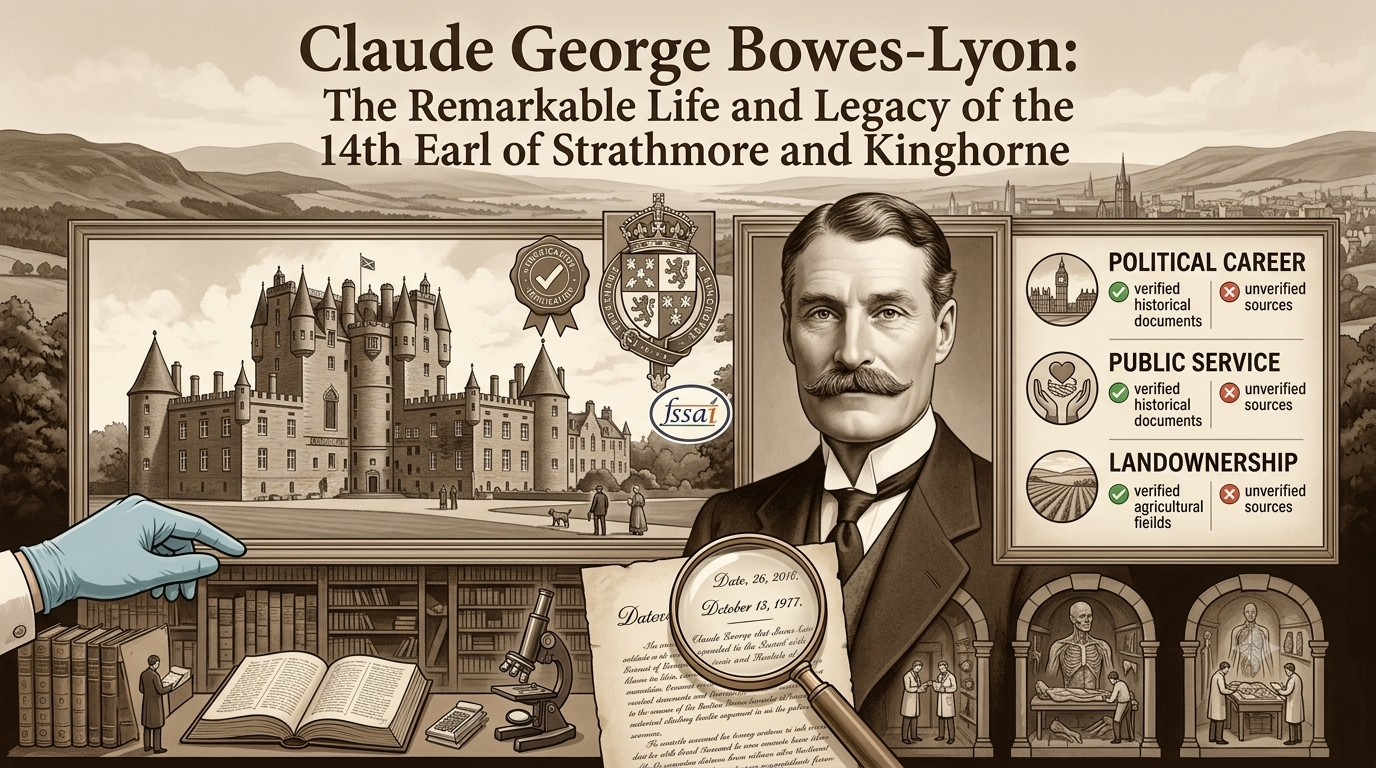
The history of the British monarchy and its surrounding aristocracy is shaped by key figures who bridged the late Victorian era with the modern age. Among these aristocratic leaders, Claude George Bowes-Lyon, the 14th Earl of Strathmore and Kinghorne, stands out as a central figure. As the maternal grandfather of Queen Elizabeth II and the father of Queen Elizabeth The Queen Mother, Claude George Bowes-Lyon played a foundational role in connecting one of Scotland’s oldest noble lineages directly to the beating heart of the modern British Royal Family.
Understanding the life of Claude George Bowes-Lyon requires exploring noble lineage, estate management, military service, and royal history. Far beyond being a mere genealogical footnote, Claude George Bowes-Lyon represented the ideal late 19th and early 20th-century nobleman: deeply devoted to his ancestral lands, engaged in local governance, committed to his expansive family, and grounded in duty. This article provides an exhaustive examination of the life, ancestry, achievements, family dynamics, and historical legacy of Claude George Bowes-Lyon.
1. Ancestry and the Great Bowes-Lyon Lineage
The roots of Claude George Bowes-Lyon trace back through centuries of Scottish and English aristocratic history. To understand his place in British high society, one must analyze the union of two prominent names: the Scottish Lyons of Glamis and the English Bowes family of Streatlam Castle.
┌──────────────────────────────────────────────────────────────────────────┐
│ GENEALOGICAL MERGER OF THE FAMILY NAMES │
├──────────────────────────────────────────────────────────────────────────┤
│ │
│ [Sir John Lyon] (Feudal Baron of Glamis, 1372) │
│ │ │
│ ▼ │
│ [Patrick Lyon] (1st Earl of Kinghorne, 1606 / 1st Earl of Strathmore) │
│ │ │
│ ▼ │
│ [Thomas Lyon] (8th Earl of Strathmore & Kinghorne) │
│ │ │
│ ├──► Married Eleanor Bowes (1767) ──► Joined “Bowes-Lyon” Name │
│ │ │
│ ▼ │
│ [Claude Bowes-Lyon] (13th Earl of Strathmore & Kinghorne) │
│ │ │
│ ▼ │
│ [CLAUDE GEORGE BOWES-LYON] (14th Earl of Strathmore & Kinghorne) │
│ │
└──────────────────────────────────────────────────────────────────────────┘
The House of Glamis
The Lyon family established their presence in Forfarshire (now Angus), Scotland, in the 14th century. In 1372, Sir John Lyon married Johanna Stewart, daughter of King Robert II of Scotland, receiving the lands of Glamis as a royal grant. This ancient royal connection established the family’s standing, making the lineage of Claude George Bowes-Lyon inherently tied to Scottish royalty long before the 20th century.
The Bowes Connection
In 1767, John Lyon, the 9th Earl of Strathmore and Kinghorne, married Mary Eleanor Bowes, a vast heiress from County Durham, England. Her enormous personal wealth—derived primarily from northern coal fields—and extensive property holdings (including Streatlam Castle and Gibside) transformed the financial trajectory of the family. By an Act of Parliament, the family name was expanded to Bowes-Lyon, laying the direct hereditary foundation for Claude George Bowes-Lyon.
2. Early Life, Education, and Military Service
Born on March 14, 1855, in Lowndes Square, London, Claude George Bowes-Lyon was the eldest son of Claude Bowes-Lyon, 13th Earl of Strathmore and Kinghorne, and Frances Dora Smith. As the heir apparent to the earldom, he bore the courtesy title of Lord Glamis from 1865 until his father’s passing in 1904.
┌──────────────────────────────────────────────────────────────────────────┐
│ EARLY LIFE & MILITARY CHRONOLOGY │
├───────────────────┬──────────────────────────────────────────────────────┤
│ YEAR │ MILESTONE / EVENT │
├───────────────────┼──────────────────────────────────────────────────────┤
│ March 14, 1855 │ Born in London to Lord Glamis (later 13th Earl) │
│ 1869 – 1872 │ Educated at Eton College │
│ 1876 – 1882 │ Commissioned in the 2nd Life Guards │
│ July 16, 1881 │ Marries Cecilia Nina Cavendish-Bentinck │
│ February 16, 1904 │ Accedes to the Earldom as 14th Earl of Strathmore │
└───────────────────┴──────────────────────────────────────────────────────┘
Education at Eton
Like many young men of the Victorian landed aristocracy, the young Lord Glamis was educated at Eton College. During his time at Eton, Claude George Bowes-Lyon developed a reputation for quiet discipline, a keen interest in outdoor sports, forestry, and traditional land stewardship. His time at Eton reinforced the traditional values of duty and service that defined his entire public life.
Military Career in the 2nd Life Guards
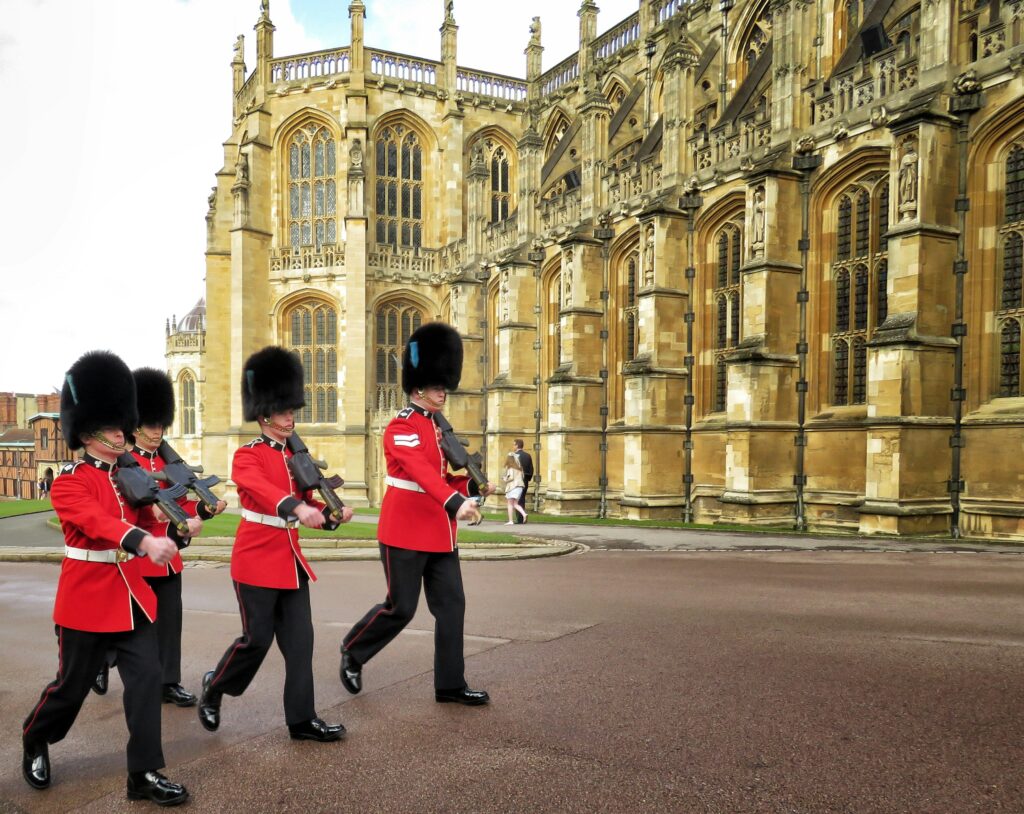
Following his formal education, Claude George Bowes-Lyon accepted a commission in the 2nd Life Guards, one of the British Army’s most prestigious household cavalry regiments. He served as a Lieutenant for six years from 1876 until 1882. His service in the Life Guards provided him with formal leadership training and deepened his loyalty to the British Crown, virtues that Claude George Bowes-Lyon instilled in his children.
3. Marriage and the St Paul’s Walden Bury Household
On July 16, 1881, Claude George Bowes-Lyon married Cecilia Nina Cavendish-Bentinck at Petersham, Surrey. Cecilia was the daughter of the Reverend Charles Cavendish-Bentinck and a great-granddaughter of British Prime Minister William Cavendish-Bentinck, 3rd Duke of Portland.
┌──────────────────────────────────────────────────────────────────────────┐
│ THE TEN CHILDREN OF CLAUDE GEORGE BOWES-LYON │
├───────────────────────────────┬──────────────┬───────────────────────────┤
│ NAME │ BORN – DIED │ HISTORICAL NOTE │
├───────────────────────────────┼──────────────┼───────────────────────────┤
│ Hon. Violet Valerie │ 1882 – 1893 │ Died in childhood (Diph) │
│ Lady Mary Frances │ 1883 – 1861 │ Married 16th Lord Elphinstone
│ Patrick (15th Earl) │ 1884 – 1949 │ Inherited Earldom in 1944 │
│ Hon. John Herbert │ 1886 – 1930 │ Father of Nerissa & Katherine
│ Hon. Alexander Francis │ 1887 – 1911 │ Died unmarried aged 24 │
│ Hon. Fergus │ 1889 – 1915 │ Killed in WWI (Loos) │
│ Lady Rose Constance │ 1890 – 1967 │ Married 4th Earl Granville│
│ Hon. Michael Claude │ 1893 – 1953 │ Wounded & POW in WWI │
│ Lady Elizabeth (Queen Mother) │ 1900 – 2002 │ Married King George VI │
│ Hon. David │ 1902 – 1961 │ Director of Bank of England│
└───────────────────────────────┴──────────────┴───────────────────────────┘
Domestic Life and Family Values
The marriage between Claude George Bowes-Lyon and Cecilia Cavendish-Bentinck was exceptionally happy, marked by warm domestic stability rather than cold aristocratic detachment. Their main residence during their early married years was St Paul’s Walden Bury in Hertfordshire—a red-brick Queen Anne manor house surrounded by formal gardens.
It was in this nurturing environment that Claude George Bowes-Lyon raised his ten children. The family spent their time between St Paul’s Walden Bury, the English country home, and Glamis Castle, the ancient family seat in Scotland. Friends and visitors frequently remarked on the cheerful, unpretentious atmosphere maintained by Claude George Bowes-Lyon and his wife, characterized by music, outdoor sports, gardening, and deep religious faith.
4. Succession to the Earldom and Management of Estates
Upon the death of his father on February 16, 1904, Claude George Bowes-Lyon succeeded to the titles, becoming the 14th Earl of Strathmore and Kinghorne in the Peerage of Scotland. Along with the earldom, he inherited extensive landholdings across Scotland and England, totaling tens of thousands of acres.
┌──────────────────────────────────────────────────────────────────────────┐
│ KEY ESTATES MANAGED BY THE 14th EARL │
├───────────────────┬───────────────────┬──────────────────────────────────┤
│ ESTATE NAME │ LOCATION │ PRIMARY USE / SIGNIFICANCE │
├───────────────────┼───────────────────┼──────────────────────────────────┤
│ Glamis Castle │ Angus, Scotland │ Primary family seat, historical │
│ │ │ Scottish castle │
├───────────────────┼───────────────────┼──────────────────────────────────┤
│ St Paul’s Walden │ Hertfordshire, │ English country estate, birthplace│
│ Bury │ England │ of Lady Elizabeth Bowes-Lyon │
├───────────────────┼───────────────────┼──────────────────────────────────┤
│ Streatlam Castle │ County Durham, │ English seat, coal-bearing land │
│ │ England │ (sold/demolished later) │
├───────────────────┼───────────────────┼──────────────────────────────────┤
│ Gibside │ Tyne and Wear, │ Historic estate, forestry and │
│ │ England │ landscape gardens │
└───────────────────┴───────────────────┴──────────────────────────────────┘
Forestry and Agricultural Stewardship
Unlike many peers who acted as absent landlords, Claude George Bowes-Lyon took an active, hands-on role in estate management. He possessed a profound knowledge of forestry, land drainage, tenant farming, and timber management. Under his stewardship, the timber reserves at Glamis were expertly managed, and he regularly walked his woods with foresters, personally selecting trees for felling or preservation.
Financial Realities and Industrial Changes
The early 20th century presented severe economic challenges for landed aristocrats. Agricultural depressions, rising land taxes, and increasing death duties (inheritance tax) forced many peers to break up their estates. Claude George Bowes-Lyon navigated these financial pressures with prudence. While managing coal revenue from the Bowes properties in Durham, he selectively modernized operations to keep Glamis Castle and St Paul’s Walden Bury financially stable and intact.
5. The Royal Connection: The Marriage of Lady Elizabeth Bowes-Lyon
The trajectory of the Bowes-Lyon family changed permanently in the early 1920s when Prince Albert, Duke of York—the second son of King George V and Queen Mary—began courting Lady Elizabeth Bowes-Lyon, the youngest daughter of Claude George Bowes-Lyon, making their 1923 royal wedding a significant moment in British royal history.
┌──────────────────────────────────────────────────────────────────────────┐
│ THE ROYAL MARRIAGE & PEERAGE ELEVATIONS │
├──────────────────────────────────────────────────────────────────────────┤
│ │
│ [Claude George Bowes-Lyon] (14th Earl of Strathmore – Scottish Peerage) │
│ │ │
│ │ 1923: Daughter Lady Elizabeth marries Prince Albert │
│ ▼ │
│ [Royal Alliance with House of Windsor] │
│ │ │
│ │ 1936: Prince Albert ascends as King George VI │
│ ▼ │
│ [Earl Created 1st Earl of Strathmore in the Peerage of the UK (1937)] │
│ │ │
│ ▼ │
│ [Grandfather to Queen Elizabeth II] │
│ │
└──────────────────────────────────────────────────────────────────────────┘
Courtship and Initial Hesitations
While the royal courtship was viewed with great excitement by the public, Claude George Bowes-Lyon and his wife held quiet reservations—not out of dislike for Prince Albert, whom they admired, but out of concern for their daughter’s privacy and freedom. Entering the immediate Royal Family meant relinquishing a quiet private life for relentless public duty.
However, after Prince Albert’s persistent courtship, Lady Elizabeth accepted his proposal in January 1923 at St Paul’s Walden Bury. Claude George Bowes-Lyon gave his blessing, welcoming the Prince into the family home not as a royal superior, but as a beloved son-in-law.

The 1923 Royal Wedding at Westminster Abbey
On April 26, 1923, Claude George Bowes-Lyon walked his daughter down the aisle of Westminster Abbey for her marriage to Prince Albert, Duke of York. The wedding was a milestone in modern British monarchical history, as it marked one of the few instances since the Middle Ages where a Prince in direct line to the throne married an English/Scottish commoner (in British legal terms, the daughter of a peer is technically a commoner).
6. Public Duties, Local Leadership, and World War I
Throughout his life, Claude George Bowes-Lyon served his country and community in various official capacities. He maintained a strong sense of civic duty, serving as Lord-Lieutenant of Angus (Forfarshire) from 1936 until 1944, representing the Sovereign in the county where Glamis Castle stood.
1.Step 1: Enlistment of the Bowes-Lyon Sons:Military Mobilization.
At the outbreak of the First World War in August 1914, four of the sons of Claude George Bowes-Lyon immediately answered the call to military service, serving in elite units including the Black Watch and the Royal Scots.
2.Step 2: Transforming Glamis Castle into a Military Hospital:Hospital Conversion.
Recognizing the urgent need for medical care for wounded soldiers, Claude George Bowes-Lyon and Countess Cecilia converted the state rooms and wings of Glamis Castle into an active military convalescent hospital.
3.Step 3: Family-Led Nursing and Convalescent Support:Daily Operations.
Countess Cecilia and young Lady Elizabeth directly assisted in nursing wounded men, organizing logistics, providing food, and writing letters for bedridden soldiers under the supervision of local medical staff.
4.Step 4: Managing Heavy Family Losses:Family Sacrifice.
The war exacted a devastating personal toll on Claude George Bowes-Lyon. His son, the Hon. Fergus Bowes-Lyon, was killed in action at the Battle of Loos in September 1915, while another son, Hon. Michael Bowes-Lyon, was severely wounded and taken prisoner.
7. The Abdication Crisis of 1936 and Peerage Elevation
The year 1936 brought unprecedented changes to the British Monarchy and elevated the personal family standing of Claude George Bowes-Lyon.
The Accession of King George VI
Following the abdication of King Edward VIII in December 1936, Prince Albert, Duke of York, unexpectedly ascended the throne as King George VI. Overnight, the youngest daughter of Claude George Bowes-Lyon became Queen Consort, and his ten-year-old granddaughter, Princess Elizabeth, became heir presumptive to the British throne.
Creation of the United Kingdom Earldom
To reflect his unique status as the father of the Queen Consort, King George VI conferred additional honors upon Claude George Bowes-Lyon during the 1937 Coronation Honors.
Up to this point, the Earldom of Strathmore and Kinghorne existed within the Peerage of Scotland, meaning the Earl did not automatically hold a seat in the House of Lords (except when elected as a Scottish Representative Peer). In 1937, King George VI created Claude George Bowes-Lyon the 1st Earl of Strathmore and Kinghorne in the Peerage of the United Kingdom. This granted him an automatic hereditary seat in the House of Lords at Westminster.
┌──────────────────────────────────────────────────────────────────────────┐
│ HONORS AND TITLES OF CLAUDE GEORGE BOWES-LYON │
├───────────────────────────┬──────────────────────────────────────────────┤
│ HONOR / TITLE │ CONFERRING BODY / DIGNITY │
├───────────────────────────┼──────────────────────────────────────────────┤
│ 14th Earl of Strathmore │ Peerage of Scotland (Inherited 1904) │
│ Knight of the Thistle │ Order of the Thistle (KT, 1923) │
│ Knight Grand Cross of GCVO│ Royal Victorian Order (1926) │
│ Knight of the Garter │ Order of the Garter (KG, 1937) │
│ 1st Earl of Strathmore │ Peerage of the United Kingdom (Created 1937) │
└───────────────────────────┴──────────────────────────────────────────────┘
8. Later Years, Death, and Burial at Glamis
In his later years, Claude George Bowes-Lyon withdrew increasingly to his beloved estates at Glamis and St Paul’s Walden Bury. Despite his advanced age and declining health, he remained acutely interested in agricultural developments and forestry management until his final days.
┌──────────────────────────────────────────────────────────────────────────┐
│ TIMELINE OF FINAL YEARS & SUCCESSION │
├───────────────────┬──────────────────────────────────────────────────────┤
│ DATE │ EVENT / MILESTONE │
├───────────────────┼──────────────────────────────────────────────────────┤
│ October 1938 │ Death of his wife, Countess Cecilia, aged 75 │
│ September 1939 │ Outbreak of WWII; Glamis again offers support │
│ November 7, 1944 │ Claude George Bowes-Lyon dies at Glamis Castle, 89 │
│ November 10, 1944 │ Buried in the family vault at Glamis │
│ November 1944 │ Son Patrick succeeds as 15th Earl of Strathmore │
└───────────────────┴──────────────────────────────────────────────────────┘
Passing and National Tributes
Claude George Bowes-Lyon died on November 7, 1944, at Glamis Castle, at the age of 89. His death occurred in the final months of World War II, bringing to a close a life that spanned four British reigns (Queen Victoria, King Edward VII, King George V, and King George VI).
Tributes poured in from across the Empire. King George VI and Queen Elizabeth traveled north to Scotland to attend the private family funeral. Claude George Bowes-Lyon was laid to rest alongside his ancestors in the private family burial ground at Glamis.
9. Historical Impact and Cultural Legacy
The legacy of Claude George Bowes-Lyon extends across British aristocratic history, royal genealogy, and estate preservation.
Grandfather to Queen Elizabeth II
Perhaps the most lasting public legacy of Claude George Bowes-Lyon lies in his direct genetic and cultural influence on the modern Royal Family, a connection explored through British royal family history. As the grandfather of Queen Elizabeth II, he provided a calm, humble, family-centric environment that heavily influenced Queen Elizabeth The Queen Mother’s personality and values values she passed down to her daughter, Britain’s longest-reigning monarch.
Preservation of Glamis Castle
Through careful estate management, forestry conservation, and financial restraint, Claude George Bowes-Lyon ensured that Glamis Castle survived the heavy estate taxes that caused the downfall of many contemporaneous peerages. Today, Glamis Castle stands as one of Scotland’s best-preserved historic castles, open to the public while remaining in the hands of the Bowes-Lyon family.
Comparative Architectural Legacy: Glamis vs. St Paul’s Walden Bury
| Property Feature | Glamis Castle (Angus, Scotland) | St Paul’s Walden Bury (Hertfordshire, England) |
| Architectural Style | Scottish Baronial architecture with medieval origins | Queen Anne style red-brick manor |
| Historical Role | Ancient ancestral seat, legendary site of Shakespeare’s Macbeth | English country retreat, childhood home of the Queen Mother |
| Landscape Style | Formal arboretum, walled gardens, extensive forestry | French formal gardens with radiating hornbeam avenues |
| Primary Contribution by 14th Earl | Managed commercial forestry and established medical hospital | Maintained formal gardens and traditional agricultural tenant farms |
Summary of the Life of Claude George Bowes-Lyon
The life of Claude George Bowes-Lyon exemplifies the quiet dignity, land stewardship, and unyielding devotion to family that defined the best of the British peerage. From his early days as a military officer in the Life Guards to his management of Scottish forests, his elevated role as father to Queen Elizabeth The Queen Mother, and grandfather to Queen Elizabeth II, Claude George Bowes-Lyon anchored his family through eras of global transformation.
Through wars, economic shifts, and royal alliances, Claude George Bowes-Lyon maintained a steadfast commitment to duty, his tenants, and his ancestral lands, securing his place as an important figure in the modern history of the British nobility.