You shower, put on deodorant, get dressed, and expect the problem to be over. Then, sometime later, you notice the familiar smell returning. If you have been asking why do my armpits smell even with deodorant, the explanation may have less to do with cleanliness than you think.
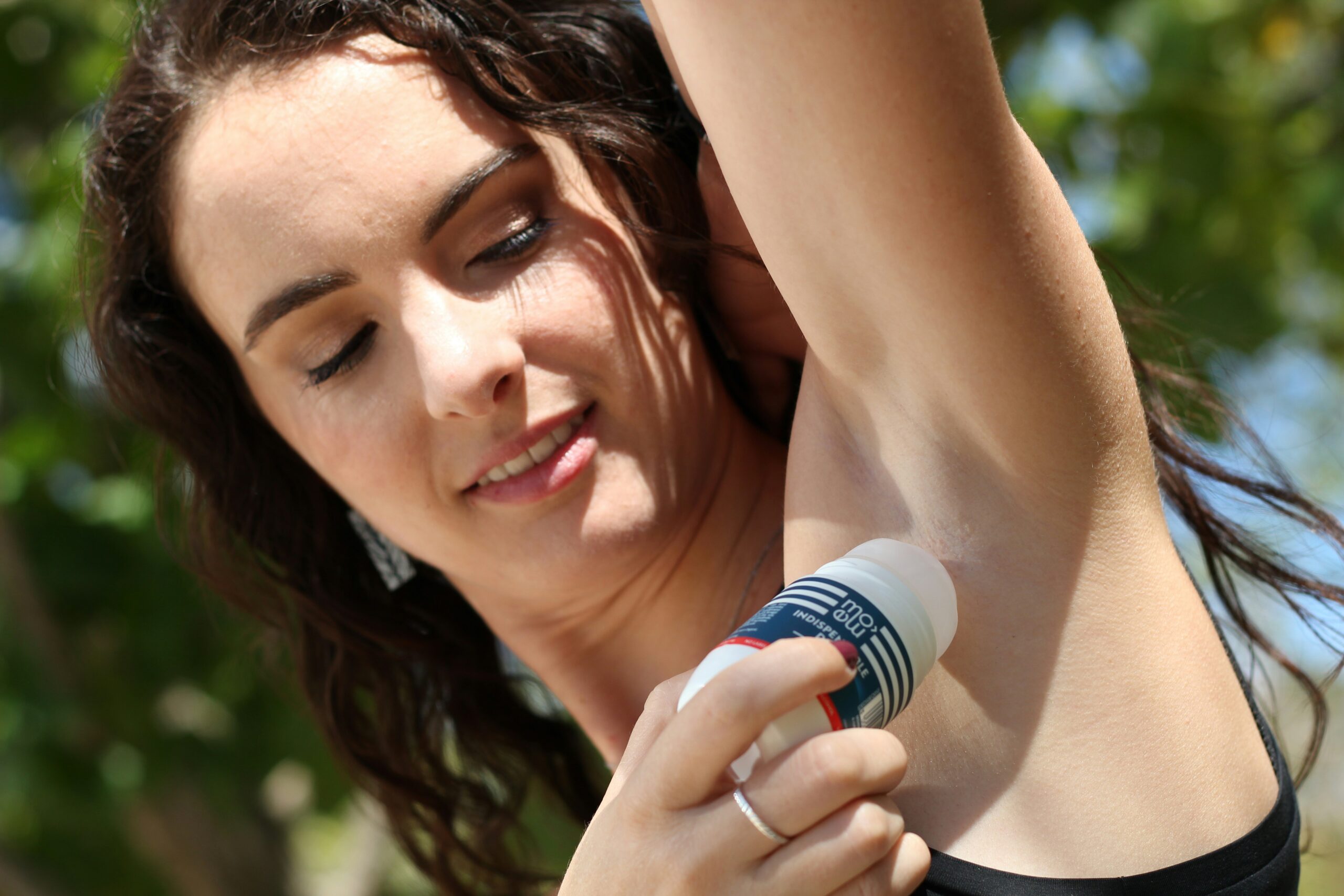
Underarm odor results from the interaction of sweat and bacteria naturally present on the skin. Deodorant helps to mask or eliminate odor, but it is ineffective against sweating. The antiperspirant, on the other hand, is designed to reduce sweat production.
This is one of the reasons why underarm odor persists despite the regular use of deodorants.
Various other factors such as stress, hormones, clothing, diet, hyperhidrosis, topical treatments, systemical medication, and an underlying disease may contribute to excessive sweating. Recognizing the cause can help to determine a particular treatment for the condition.
Why Do My Armpits Smell Even With Deodorant?
The short answer is that deodorant may not prevent the biological process that causes odor.
You may be surprised to know that sweat itself is not typically the culprit.
The underarms contain apocrine sweat glands. This type of sweat gland produces a clear liquid that initially does not have odor.
Once that liquid reaches the surface of the skin, the bacteria that are on the skin interact with it. This creates the characteristic underarm odor.
Most deodorants are actually designed to prevent odor. They often contain perfumes or other ingredients that either mask odor or kill the bacteria that contribute to odor.
Antiperspirants are another type of product that work differently to stop odor. They usually contain certain types of salt, such as aluminum chloride. These substances reduce the amount of sweat produced.
If you are using a deodorant instead of an antiperspirant, there is a good chance that you are still producing sweat that could lead to odor.
1. You May Be Using Deodorant When You Actually Need an Antiperspirant
The terms deodorant and antiperspirant are sometimes used interchangeably, but there is an important difference between the two
A deodorant is used to mask body odor, either by masking the odor of the skin or by killing odor-causing germs
An antiperspirant is used to prevent sweating, and products containing it commonly have an active ingredient called aluminum chloride that temporarily blocks sweat glands
The difference is significant if you have sweaty underarms, as using the wrong product can leave you with a noticeable odor anyway
If you use a strongly fragranced deodorant in the morning, it may mask the smell, but if you continue to sweat heavily throughout the day, this process can only help so much. There will come a point at which the smell of your sweat and bacteria will overpower the deodorant
On the other hand, if you think excessive sweating may be the cause of your odor, using an antiperspirant may be more useful to you than a deodorant.
2. You May Not Be Applying the Product at the Most Effective Time
The technique of application may be significant.
According to the source, Mayo Clinic suggests applying the antiperspirant on dry skin, and further mentions that frequent use can enhance effectiveness. Another piece of advice from the source claims that in the case of more serious antiperspirants prescribed for excessive sweating, the medication should be applied to thoroughly dried skin at night.
Therefore, using the cream while the skin is still damp after a shower might not be as effective as using it on fully dried underarms. If the preparation provokes irritation, it should not be used anymore due to the development of adverse effects.
Irritation can be one of the signs of allergy or intolerance to one of the ingredients.
3. Your Underarms May Be Sweating More Than Usual
Heat and exercise are common triggers for sweating, but there are other reasons why you might be sweating more than normal.
Stress and anxiety can cause your sweat glands, like your apocrine glands, to kick into high gear, and those same sweat glands are partially to blame for underarm odor. Hormones play a role, too.
This can lead to a not-so-fun cycle: You worry about smelling, which makes you sweat more, which causes you to smell even worse.
If you’re always drenched in your own sweat, even when it’s cold out, or find that sweating is interfering with your daily life, it might be time to learn more about excessive sweating and hyperhidrosis and discuss your symptoms with a doctor.
4. The Skin Bacteria in Your Armpits Matter
Everyone has bacteria on their skin. They are generally not a problem,
unless they are producing odors. Cleveland Clinic notes that the issue emerges when the bacteria breaks down the sweat and produces odor causing by-products. This is why two people may sweat at the same rate, but have different body odor.
It is believed that the bacteria community varies from person to person and that genetics, hormones, personal hygiene, and other factors contribute to it. Therefore, if the scent continues to be an issue, trying to mask the odor with more perfume is not as effective as controlling sweat and eliminating the bacteria that cause the smell.
5. Your Clothing May Be Holding Onto the Smell
Sometimes the odor is no longer primarily coming from your skin.
Sweat, skin oils, bacteria, and odor-producing chemicals can remain in clothing, for example, in the underarm area. As a result, putting on a shirt can make you feel as if your deodorant has stopped working right away.
According to the Mayo Clinic, it’s a good idea to wash your clothes regularly and to choose fabrics based on the activity.
If you continue to notice odor after changing into a particular shirt, try wearing freshly washed clothing and see if the issue persists.
In addition, it might be a good idea to consider breathable fabrics for everyday wear since they can help prevent sweat buildup.
6. Body Hair Can Affect Underarm Odor

Underarm hair is perfectly normal, but it can affect the conditions in which sweat and bacteria live.
Hair can hold moisture and provide extra surface area for odor-causing compounds to adhere to. Cleveland Clinic reports that hair removal can help some people reduce body odor, as hair can trap bacteria and odor.
This does not mean that everyone should shave, though.
If you want to keep your underarm hair, you should be able to as long as you take care of your skin and use antiperspirant correctly. If you are going to shave, do not do so right before applying a product that can irritate freshly shaved skin.
7. Your Diet May Be Affecting Your Body Odor
Although food cannot explain each instance of underarm odor, some foods and drinks may cause excessive sweating or contribute to body odor.
Eating foods high in sulfur, such as garlic, onions, and certain spices, or drinking beverages containing sulfur, can have an impact on odor. In addition, spicy foods and caffeine intake may lead to increased sweating, thus making odor more prominent. Furthermore, alcohol consumption can also result in higher levels of sweating.
Moreover, it is crucial to recognize that everyone’s bodies may react differently.
Instead of eliminating entire food groups, it may be helpful to observe the connection between specific meals and odor intensity on an individual basis. If certain dishes appear to exacerbate the issue, temporarily removing them from the diet can provide insight into their potential role in causing odor.
8. Hormonal Changes Can Alter Your Normal Smell
A person’s body odor can change when hormone levels change.
Puberty, menstrual-cycle changes, pregnancy, and menopause can all influence sweating and body odor. Apocrine glands become active around puberty, which helps explain why noticeable body odor typically becomes more prominent during adolescence.
This means a deodorant that worked well for years may suddenly seem less effective.
That does not necessarily indicate a hygiene problem. Sometimes the underlying physiology has changed.
9. Stress Sweat Can Smell Stronger
Not all sweating is for the same reason. Your eccrine glands secrete clear sweat for cooling your body. Apocrine glands, primarily located in the armpits, produce a different kind of secretion associated with stress and your emotional state.
This secretion becomes odoriferous after bacteria on your skin break it down.
For this reason, you might experience increased body odor before giving a presentation, after an argument, on a tense commute, or when you feel anxious in a social setting. If your sweat response is regularly triggered by stress, Simply focusing on reducing the sweating may not solve the problem completely. Controlling your stress response could help prevent the episodes of excessive sweating.
10. Your Deodorant May Not Agree With Your Skin
The product is also the issue sometimes.
Fragrances and additional ingredients in deodorants and antiperspirants can be irritants on sensitive skin. The Cleveland Clinic reports that ingredients such as fragrance, aluminum, lanolin, parabens, and propylene glycol can be sensitizers or irritants in some individuals. Irritated underarms can be itchy, red, and uncomfortable and thus cause you to stop applying your underarm product regularly. Switching to a less-fragranced, or otherwise simplified, formulation should be a point of discussion with a pharmacists or health care provider if irritation seems likely with a certain product. Assume nothing from a more-fragrant product that that it must have better odor-control features.
11. Persistent Odor Can Occasionally Have a Medical Cause
In general, body odor is no cause for alarm and has a simple cause. But a sudden or unexplained alteration could mean you should see a doctor. Among the more rare conditions that can impact sweat or odor are diabetes,hyperhidrosis, infection, some liver and kidney disease, and certain thyroid problems.
Some medications alter body scent or the pattern of sweating.
Usually your nose can tell you if your odor isn’t in the usual range, and in the case of diabetes for instance you also won’t be able to shake your stinky fruit breath, saysClevelandClinic. If your diabetes (or other condition ) has caused your odor changes in way you can’t seem to resolve then it’s time to talk to a doctor about what to do rather than just picking a better fragrance.
How to Get Rid of Underarm Odor More Effectively
The best is to pinpoint your greatest challenge – odor, sweat, skin sensitivity, or wardrobe issues? Work from there… First step: Wash away the sweat The simplest remedy: Regular, diligent underarm washing, followed by thorough drying. Regular cleansing can help remove built-up oils, dead skin, and bacteria, while learning about how to prevent body odor can help you choose a more effective daily hygiene routine.
If sweat, not odor, is the chief complaint A good antiperspirant should address the excess sweat, so pick up a brand that fits the bill and use it exactly as instructed-always on dry underarm skin.
Make sure your wardrobe’s clean even after laundering If odor doesn’t seem to dissipate from shirts after a normal cycle of laundry, look at your wash and dry cycle – perhaps one material clings onto odor more than another.
Irritation?
Hit pause If any products sting or itch when you’re using them, stop applying until your skin is no longer angry – don’t just slather on another helping on already sensitized underarms.
When Should You See a Doctor About Armpit Odor?
While a smell does not guarantee a underlying health problem, seeing a health professional makes sense if a smell changes suddenly or in other ways: If a smell you experience suddenly becomes noticeable If a smell changes abruptly for no known reason If a smell becomes unbearable and affects how you carry out your life If there’s a change in your body odor with no cause for it “ If you notice sweating is becoming unusually heavy.
If you’re experiencing frequent, severe or unexplained night sweats if you’ve changed the medications you take and your body odor is different than before if a skin disorder calledhidradenitis suppurativa or apocrine glands affects the underarm area and develops into painful or boils or drainage If your doctor is not an internist but your symptoms persist. “ the physician should have you seen by another one.
Mayo Clinic doctors may test you, or may be order blood or urinalysis test when you make a appointment with doctor visit.
The Deodorant Problem Is Often Not Really About Deodorant
If you keep asking, why do my armpits smell even with deodorant, it may be time to stop thinking of the issue as a simple failure of the product.
While deodorant will cover up odor, that doesn’t mean the sweating will go away. Antiperspirant can curb perspiration, but it won’t tackle every imaginable trigger for body stink. Bacteria, the clothes on your skin, hormones, and emotions, what you ate, irritation to the skin, and other ailments can affect body odor to some extent.
This makes the simplest remedy almost always dictated by circumstance: In other words, follow the patterns that you pick up on.
Body Odor: Best Remedy Follows Pattern -If odor primarily manifests while sweating through the activity you just endured, target sweat and your clothing. If stress induces body odor, perhaps your stress sweat has something to do with it. Try to change over your clothing formula if something seems to be iritating you. Seek medical advice If change odor, sweating pattern are unusually significant and accompanied with other signs, you’re safest seeing your doctor.
Conclusion
If you’re wondering why do my armpits smell even with deodorant, the answer is usually more complicated than simply needing a stronger product. Underarm odor develops largely when substances from sweat interact with bacteria on the skin, while deodorants primarily target the smell rather than eliminating sweating itself.
The first step to fighting body odor is identifying what is really causing it, along with following practical personal hygiene and body care tips that support healthy skin. Is it excessive perspiration, your product choice, your clothing choice, stress, hormonal changes, diet or a skin bacteria? If perspiration is an issue, switching from a deo to an appropriate ap may provide some help.
Otherwise, improve your hygiene (rinse your body in the morning with an antibacterial wash and rinse well; dry completely, especially under your arms, feet and groin; wear a fresh pair of clean clothes daily) to tackle daily stink.
But if your body odor has undergone an abrupt alteration, gotten progressively potent, OR your symptoms like changes in your skin or excessive perspiration, night sweats, or another unfamiliar malady have come along for the journey – do not drench yourself in perfume hoping no one notices. Consult a doctor to identify the underlying factor.
FAQs
1.Why do my armpits smell immediately after showering?
If odor returns very quickly after washing, bacteria may still be present on the skin, clothing may be retaining odor, or you may be sweating again soon after showering.Persistent symptoms or sudden changes should be discussed with a healthcare professional.
2.Why does deodorant stop working for me?
Your sweating may have increased, your hormones may have changed, or the product may simply be designed mainly to mask odor rather than reduce perspiration. An antiperspirant may be more appropriate if excessive sweating is contributing.
3.Is it normal for armpit odor to change suddenly?
A temporary change can occur because of heat, stress, diet, hormones, or medications. However, Mayo Clinic recommends medical evaluation when body odor changes without an obvious reason, particularly when accompanied by increased or unusual sweating.
4.Does shaving your armpits stop body odor?
Shaving does not guarantee that odor will disappear. However, reducing underarm hair may help some people because hair can retain moisture, bacteria, and odor compounds.
5.Can stress make my armpits smell worse?
Yes. Stress can activate apocrine sweating in the underarms. The resulting secretion can develop an odor when it interacts with bacteria on the skin.
6.Why do my armpits smell worse even though I don’t sweat much?
Body odor does not depend entirely on how much you sweat. The types of bacteria on your skin and how they interact with sweat and other skin substances can influence odor.
7.Can a medical condition cause strong armpit odor?
Yes, although most body odor is not caused by serious illness. Hyperhidrosis, infections, hormonal disorders, diabetes, and some liver or kidney conditions can be associated with changes in sweating or body odor.