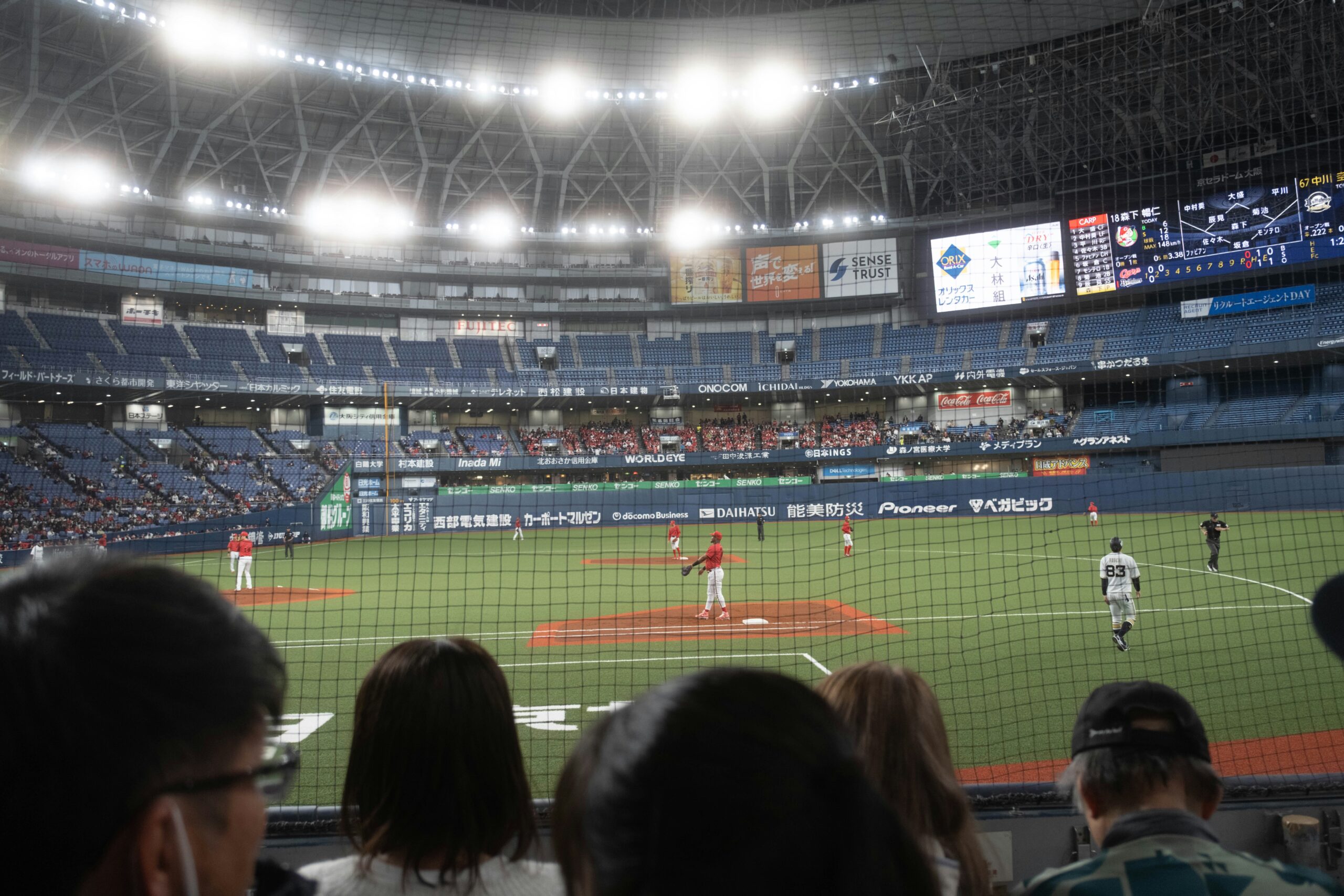
Japan’s enduring, passionate obsession with baseball-or yakyu ()-often startles visitors to that country. Once a sport originating in nineteenth-century American dustbowls and city stadiums, baseball has been evolving in Japan for over 150 years and is arguably her national pastime today. From stadiums filled in the sweltering heat of summer with marching brass bands, to televised high school baseball tournaments broadcast live across Japan in August, the sport is king.
The roots and reasons of ‘is baseball popular in Japan?’ lie beyond mere athleticism. Its enduring presence stems from Meiji-era influence, cultural convergence with the value of wa (harmony) and doryoku (effort), school inclusion, corporate investment, and international status.
The purpose of this guide is to analyze the social, historical, structural, and cultural causes of ‘is baseball popular in Japan,’ examining how baseball has grown into one of the most integral aspects of Japanese culture from humble beginnings as an adopted American pastime.
1. Historical Foundations: The Meiji Restoration and the Arrival of Yakyu
To answer why is baseball popular in Japan, one must examine the dramatic cultural transformation of the Meiji Restoration (1868–1912). Following centuries of feudal isolation (sakoku), Japan opened its borders and embarked on an intense period of rapid modernization, absorbing Western ideas, technology, and educational models.
┌─────────────────────────────────────────────────────────────────────────────┐
│ HISTORICAL TIMELINE OF BASEBALL IN JAPAN │
├──────────────┬──────────────────────────────────────────────────────────────┤
│ YEAR │ HISTORICAL MILESTONE │
├──────────────┼──────────────────────────────────────────────────────────────┤
│ 1872 │ Horace Wilson introduces baseball to First Higher School │
│ 1896 │ Ichiko team defeats American club at Yokohama Country Club │
│ 1915 │ First National High School Baseball Championship (Koshien) │
│ 1934 │ Babe Ruth’s MLB All-Star Tour mesmerizes Tokyo crowds │
│ 1936 │ Japanese Professional Baseball League (JPBL) established │
│ 1950 │ NPB reorganizes into Central and Pacific Leagues │
│ 2023 │ Samurai Japan wins World Baseball Classic (WBC) title │
└──────────────┴──────────────────────────────────────────────────────────────┘
The Initial Seed (1872)
It was in 1872 that an American professor, Horace Wilson, who lectured on physical education at the Kaisei Academy (the predecessor to Tokyo University) and taught his students a version of baseball to promote healthy exercise, that the interest of Japanese ruling youth began. This early introduction helped establish the history of baseball in Japan during the country’s period of rapid modernization.
Because the rules of the game were complicated and emphasized team strategy, they were enthusiastically taken up by the elite youth of Japan.
The Historic 1896 Victory Over Yokohama Country Club
There was one match which catapulted the sport into the national subconsciousness, and that was in 1896, between Ichiko (the elite First Higher School of Tokyo) and an all-American squad from the Yokohama Country & Athletic Club. Japan was under tremendous pressure to show its equal footing against the colonial powers of the West, and Ichiko thrashed its foreign opponents by 29 to 4. The headline victory soon featured in all major national newspapers and declared that the match was a win for Japanese unity, spirit and disciplined athletic ability.
┌──────────────────────────────────────────────────────────────────────────┐
│ THE 1896 ICHIKO VS. YOKOHAMA IMPACT │
├──────────────────────────────────────────────────────────────────────────┤
│ │
│ [Western Import Sport] ──► Adopted by Elite Tokyo University Students │
│ │ │
│ ▼ │
│ [1896 Ichiko Match] ──► Crushing 29-4 Victory Over Foreign Americans │
│ │ │
│ ▼ │
│ [Cultural Validation] ──► Proves Japanese Athletic & Moral Parity │
│ │ │
│ ▼ │
│ [National Obsession] ──► Baseball Adopted Nationwide in Schools │
│ │
└──────────────────────────────────────────────────────────────────────────┘
This victory transformed the perception of the game. Rather than seeing it as a foreign novelty, Japanese society recognized baseball as a platform to demonstrate national capability and moral strength, providing an early answer to why is baseball popular in Japan.
2. Cultural Resonance: Samurai Values and the Ethos of Yakyu
A key reason why is baseball popular in Japan is that the sport was deliberately reshaped to align with traditional cultural values and bushido (the way of the warrior).
When baseball was translated into Japanese in the late nineteenth century, scholars chose the term yakyu—combining the kanji characters for “field” (野) and “ball” (球). Beyond the name, the philosophical approach to playing the game underwent a distinct transformation.
┌──────────────────────────────────────────────────────────────────────────┐
│ CULTURAL COMPARISON: BASEBALL VS. YAKYU │
├─────────────────────────┬────────────────────────┬───────────────────────┤
│ CULTURAL DIMENSION │ WESTERN BASEBALL │ JAPANESE YAKYU │
├─────────────────────────┼────────────────────────┼───────────────────────┤
│ Core Focus │ Individual expression │ Group harmony (*Wa*) │
│ Training Philosophy │ Rest & efficiency │ Infinite effort │
│ │ │ (*Doryoku*) │
│ Strategy Preference │ Home runs & power-hitting│ Small ball & sacrifice│
│ Relationship to Sport │ Professional job │ Spiritual discipline │
│ │ │ (*Shugyo*) │
└─────────────────────────┴────────────────────────┴───────────────────────┘
1. Wa (Group Harmony) Over Individual Stardom
In Western baseball, individual achievement—such as home run counts or strikeout records—is celebrated. In Japanese yakyu, collective harmony (wa) takes absolute priority. Players are expected to put team objectives above personal statistics.
This mindset manifests on the field in small-ball strategies:
- Heavy reliance on sacrifice bunts (sakubun) to advance runners.
- Hit-and-run plays over swinging for the fences.
- Pitchers working inside to set up defense rather than relying strictly on power strikeouts.
2. Doryoku (Effort) and Shugyo (Spiritual Training)
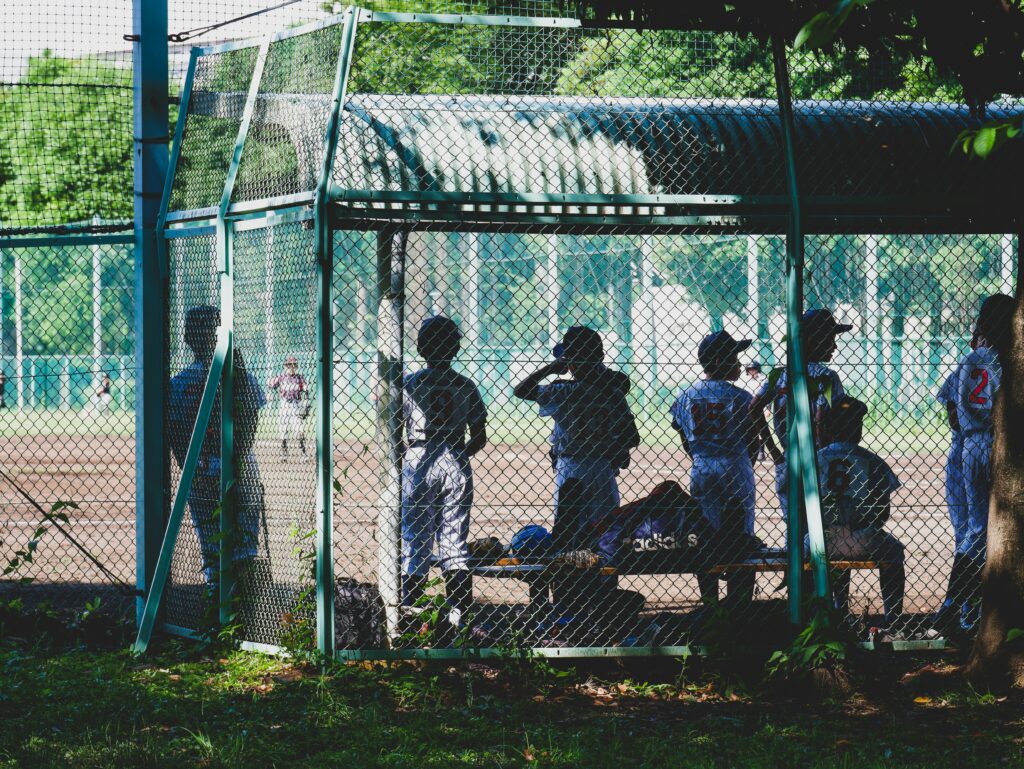
In Japan, relentless effort (doryoku) is valued as much as innate talent. Baseball practices in Japan are famous for their duration and intensity.
Fielders repeat drills thousands of times to achieve perfection, while pitchers build mental endurance through long bullpen sessions. The sport is treated as a form of spiritual discipline (shugyo), akin to traditional martial arts like Kendo or Judo.
3. Bowing to the Diamond
Before and after every game and practice session, Japanese teams line up at the foul lines, remove their caps, and bow deeply toward the field, their opponents, umpires, and fans. This gesture reflects a deep respect for the game and the community.
3. High School Baseball: The Cultural Phenomena of Koshien
It is impossible to analyze why is baseball popular in Japan without studying Koshien—the legendary National High School Baseball Championship held every August at Hanshin Koshien Stadium near Osaka.
┌──────────────────────────────────────────────────────────────────────────┐
│ THE KOSHIEN TOURNAMENT STRUCTURE │
├──────────────────────────────────────────────────────────────────────────┤
│ │
│ [4,000+ High Schools] ──► Regional Single-Elimination Qualifiers │
│ │ │
│ ▼ │
│ [49 Regional Champions]──► National Tournament at Koshien Stadium │
│ │ │
│ ▼ │
│ [Single Elimination] ──► High-Stakes Drama Broadcast Live Nationally │
│ │ │
│ ▼ │
│ [Cultural Ritual] ──► Losing Players Collect Sacred Dirt in Bags │
│ │
└──────────────────────────────────────────────────────────────────────────┘
The Ultimate Stage of Purity and Devotion
Founded in 1915, Koshien is a cultural summer fixture in Japan, far exceeding the limits of a mere sport event. Selected from more than 4,000 high school teams all over the country, 49 teams eventually reach Koshien as regional winners. As the games are single-elimination, even one flawed play-one fortunate or unfortunate hop, one misplaced throw-can immediately terminate a team’s pursuit of the title. The pressure inevitably result in an array of compelling storylines:
- National Broadcasts: Television networks broadcast every single game live, drawing massive viewer ratings rivaling professional sports championships.
- Brass Bands and Cheer Squads: Student cheer sections fill the grandstands, playing non-stop brass band music and chanting synchronized cheers for every batter.
- The Dirt Ritual: In one of the most emotional traditions in modern sports, losing players kneel on the dirt field after their elimination, weeping openly while scooping black Koshien soil into small canvas bags to take home as a lifelong keepsake.
Koshien embodies youth, purity, heartbreak, and absolute dedication, serving as a primary reason why is baseball popular in Japan across generations.
4. Nippon Professional Baseball (NPB): Structure and Corporate Integration
At the elite level, Nippon Professional Baseball (NPB) represents the pinnacle of domestic competition. Formed in its modern two-league structure in 1950, NPB boasts a fan culture and corporate foundation distinct from Major League Baseball (MLB).
┌──────────────────────────────────────────────────────────────────────────┐
│ NPB LEAGUE STRUCTURE AND CLUBS │
├─────────────────────────┬────────────────────────────────────────────────┤
│ CENTRAL LEAGUE │ PACIFIC LEAGUE │
├─────────────────────────┼────────────────────────────────────────────────┤
│ Yomiuri Giants (Tokyo) │ Orix Buffaloes (Osaka) │
│ Hanshin Tigers (Nishinomiya)│ Fukuoka SoftBank Hawks (Fukuoka) │
│ Tokyo Yakult Swallows │ Chiba Lotte Marines (Chiba) │
│ Yokohama DeNA BayStars │ Tohoku Rakuten Golden Eagles (Sendai) │
│ Hiroshima Toyo Carp │ Saitama Seibu Lions (Saitama) │
│ Chunichi Dragons (Nagoya)│ Hokkaido Nippon-Ham Fighters (Sapporo) │
└─────────────────────────┴────────────────────────────────────────────────┘
Corporate Ownership and Marketing
Unlike American sports franchises, which are named after their host cities (e.g., the New York Yankees or Los Angeles Dodgers), NPB teams are traditionally named after their parent corporate owners.
For example:
- The Yomiuri Giants are owned by the Yomiuri Shimbun media conglomerate.
- The Hanshin Tigers are owned by the Hanshin Electric Railway company.
- The Fukuoka SoftBank Hawks are owned by global technology enterprise SoftBank.
This corporate integration tied baseball directly into Japan’s post-WWII economic boom. Major corporations used their teams to boost employee morale, promote brand loyalty, and deliver daily entertainment to the working class.
5. Stadium Atmosphere and Fan Culture: An Unmatched Experience
Attending an NPB game reveals another crucial dimension explaining why is baseball popular in Japan: the stadium environment offers an incredibly energetic, inclusive, and joyous fan experience.
┌──────────────────────────────────────────────────────────────────────────┐
│ NPB STADIUM FAN EXPERIENCE ELEMENTS │
├─────────────────────────┬────────────────────────────────────────────────┤
│ FEATURE │ UNIQUE STADIUM CHARACTERISTIC │
├─────────────────────────┼────────────────────────────────────────────────┤
│ Oouendan (Cheer Clubs) │ Organized fan groups leading chants and drums │
│ Player Fight Songs │ Custom brass band music for every single batter │
│ Jet Balloon Launch │ Thousands of balloons released in 7th inning │
│ Beer Vendors (*Uriko*) │ Energetic vendors carrying draft kegs on backs │
└─────────────────────────┴────────────────────────────────────────────────┘
The Oouendan (Organized Cheering Squads)
Unlike American games, which have natural peaks and valleys in crowd noise, these games have orchestrated chanting, all the way from the Oouendan in the outfield. These guys had trumpets, snare drums, megaphones, and flags, and organized fans for each and every player on both teams cheered out unique fight songs. And they never seemed to give up yelling when they were at the bat.
Outfield Bleachers (Oouendan) ──► Trumpets & Drums ──► Customized Player Chants
│
▼
Infield Grandstands ──► Synchronized Clapping ──► Unified Stadium Energy
The 7th-Inning Balloon Launch
At stadiums like Hanshin Koshien Stadium and Mazda Stadium in Hiroshima, the seventh-inning stretch is marked by the Jet Balloon launch.
Thousands of fans inflate long, colorful rubber balloons simultaneously, releasing them into the night sky as a brass band plays the team anthem, creating a stunning visual spectacle.
Uriko (Beer Vendors)
Navigating the stadium aisles are uriko—energetic vendors, mostly young women, carrying specialized draft beer kegs strapped to their backs. They run up and down steep concrete stairs to serve ice-cold draft beer directly to fans in their seats.
6. Legendary Icons: From Sadaharu Oh to Shohei Ohtani
Star power and national heroes play a vital role in explaining why is baseball popular in Japan. Over the decades, iconic figures have captured the public imagination and elevated the country’s international standing.
┌─────────────────────────────────────────────────────────────────────────────┐
│ LEGENDARY JAPANESE BASEBALL FIGURES │
├───────────────────┬───────────────────┬─────────────────────────────────────┤
│ PLAYER │ ERA │ HISTORICAL SIGNIFICANCE │
├───────────────────┼───────────────────┼─────────────────────────────────────┤
│ Sadaharu Oh │ 1950s – 1980s │ All-time pro home run king (868 HRs)│
│ Shigeo Nagashima │ 1950s – 1970s │ “Mr. Giants,” national cultural icon│
│ Hideo Nomo │ 1990s │ “The Tornado,” paved modern MLB path│
│ Ichiro Suzuki │ 1990s – 2010s │ 4,367 hit master; MLB Hall-of-Famer │
│ Shohei Ohtani │ 2010s – Present │ Modern two-way phenomenon (MVP/WBC) │
└───────────────────┴───────────────────┴─────────────────────────────────────┘
The Golden Era: Sadaharu Oh and Shigeo Nagashima
During Japan’s post-war recovery in the 1960s and 1970s, the Yomiuri Giants duo of Sadaharu Oh and Shigeo Nagashima dominated the sports landscape.
Oh, famous for his signature flamingo-style leg kick, smashed 868 home runs in his career—more than MLB legends Babe Ruth or Hank Aaron. Their dominance provided hope and pride to a recovering nation.
The Modern Pioneers: Hideo Nomo and Ichiro Suzuki
In 1995, pitcher Hideo Nomo broke through barriers by joining the Los Angeles Dodgers. His signature “Tornado” windup captivated global audiences and proved that Japanese pitchers could dominate Major League hitters.
In 2001, Ichiro Suzuki arrived in MLB, winning AL MVP and Rookie of the Year in his first season. Ichiro’s surgical bat control, speed, and elite defense challenged the long-held belief that baseball was purely a game of power, proving that the Japanese style of play was world-class.
The Global Phenomenon: Shohei Ohtani
In the modern era, Shohei Ohtani’s baseball career has elevated the sport to historic heights. Performing as an elite power hitter and a dominant starting pitcher simultaneously, Ohtani achieved accomplishments unseen since Babe Ruth a century earlier. His international success has reinforced national pride and inspired a new generation of youth to take up the sport.
7. International Success: World Baseball Classic Dominance
Another major reason why is baseball popular in Japan is the country’s extraordinary success on the international stage.
┌──────────────────────────────────────────────────────────────────────────┐
│ WORLD BASEBALL CLASSIC (WBC) CHAMPIONSHIPS │
├───────────────────┬─────────────────────────┬────────────────────────────┤
│ YEAR │ CHAMPION │ RUNNER-UP │
├───────────────────┼─────────────────────────┼────────────────────────────┤
│ 2006 (WBC I) │ **Japan** │ Cuba │
│ 2009 (WBC II) │ **Japan** │ South Korea │
│ 2013 (WBC III) │ Dominican Republic │ Puerto Rico │
│ 2017 (WBC IV) │ United States │ Puerto Rico │
│ 2023 (WBC V) │ **Japan** │ United States │
└───────────────────┴─────────────────────────┴────────────────────────────┘
The 2023 WBC Triumph
Japan’s national team, affectionately known as Samurai Japan, has dominated the World Baseball Classic (WBC), winning three out of the five tournaments held through 2023, making its World Baseball Classic success an important part of the country’s modern baseball identity.
The 2023 WBC final provided a movie-like climax to the tournament:
- The Matchup: Japan faced the United States in the championship game.
- The Climax: In the bottom of the 9th inning, with Japan leading 3-2, Shohei Ohtani took the mound to face his MLB teammate and U.S. captain Mike Trout.
- The Strikeout: Ohtani struck out Trout with a full-count slider, securing the world championship for Japan.
Bottom of 9th (3-2 Lead) ──► Shohei Ohtani vs. Mike Trout ──► Full-Count Slider Strikeout ──► World Championship
More than 54% of all Japanese households tuned in live to watch the 2023 tournament games, demonstrating the sport’s unparalleled ability to unite the nation.
8. Structural and Educational Integration
To fully grasp why is baseball popular in Japan, one must examine how deep the sport is embedded within the Japanese education system.
1.Step 1: Rubber-Ball Youth Leagues (Nankyu):Elementary Level.
Children as young as 6 join local community teams playing nankyu—a specialized hollow rubber baseball designed in Japan to reduce injury risk while teaching proper throwing, catching, and hitting fundamentals.
2.Step 2: School Club Integration (Bukatsu):Junior High Level.
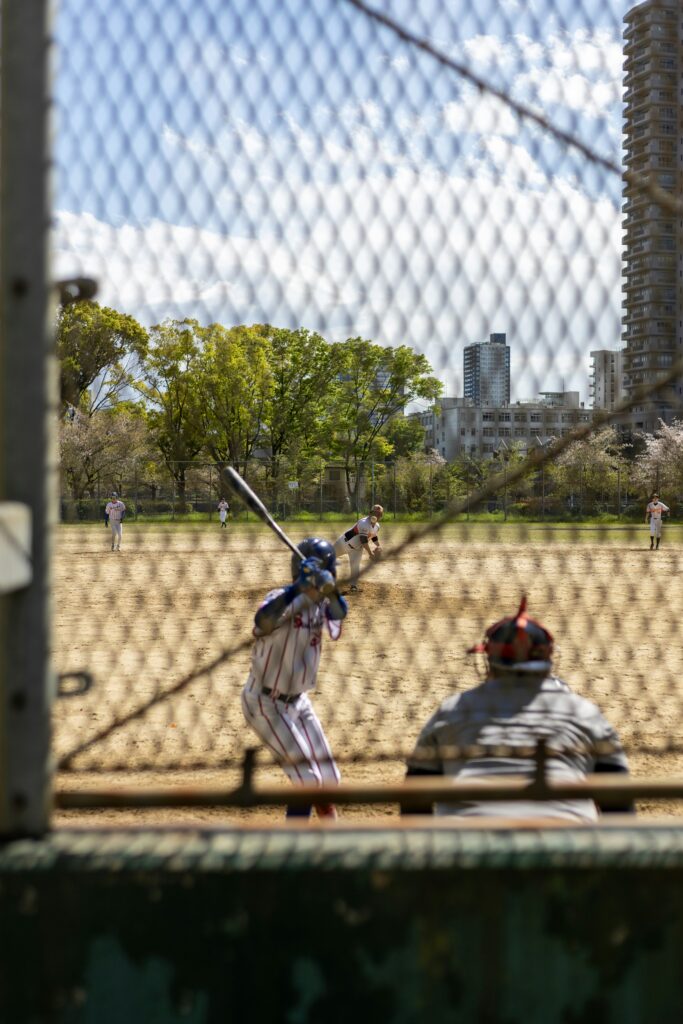
Upon entering middle school, students join rigorous school sports clubs (bukatsu). Baseball practice takes place daily before and after school, as well as on weekends, instilling strong group discipline.
3.Step 3: The Koshien Pathway:High School Level.
Elite teenage prospects attend specialized high school sports programs across Japan, dedicating thousands of hours toward qualifying for the regional and national Koshien tournaments.
4.Step 4: Industrial and College Leagues:University & Corporate Level.
Athletes who do not immediately turn pro enter top university leagues (such as the Tokyo Big 6) or industrial corporate leagues (Shakai-jin), maintaining a robust talent pipeline.
This structured pipeline ensures that millions of Japanese citizens play, understand, and respect baseball from early childhood through adulthood.
9. Cultural Media Representation: Manga and Anime
Pop culture has also played a massive role in expanding the reach of the sport, offering another clear explanation for why is baseball popular in Japan.
┌──────────────────────────────────────────────────────────────────────────┐
│ INFLUENTIAL BASEBALL MANGA & ANIME │
├───────────────────┬───────────────────────┬──────────────────────────────┤
│ TITLE │ AUTHOR │ CULTURAL IMPACT │
├───────────────────┼───────────────────────┼──────────────────────────────┤
│ *Dokaben* │ Shinji Mizushima │ Defined realistic youth sports│
│ │ │ manga in the 1970s │
│ *Touch* │ Mitsuru Adachi │ Blended high school baseball │
│ │ │ with romance; massive hit │
│ *Major* │ Takuya Mitsuda │ Followed a player from youth │
│ │ │ to the MLB world championship│
│ *Ace of Diamond* │ Yuji Terajima │ Modern look at elite high │
│ (*Dia no Ace*) │ │ school baseball culture │
└───────────────────┴───────────────────────┴──────────────────────────────┘
For decades, manga artists have captured the drama, heartbreak, and triumph of the diamond. Groundbreaking works like Mitsuru Adachi’s Touch sold over 100 million copies, introducing young readers—including millions of young women—to the emotional romance of Koshien.
Modern hits like Ace of Diamond continue to inspire kids to pick up a glove and join their local school club.
10. Summary: Why Is Baseball Popular in Japan?
To summarize the essential factors behind why is baseball popular in Japan:
- Historical Timing: Introduced during the Meiji Restoration, the sport offered an early platform to prove athletic and moral parity with Western nations.
- Cultural Alignment: The game was reshaped into yakyu, emphasizing group harmony (wa), persistent effort (doryoku), and mutual respect.
- Koshien High School Tournament: The high-stakes emotional drama of high school baseball serves as a summer national ritual.
- Unique Fan Culture: Organized cheering squads (Oouendan), brass bands, and energetic stadium environments make NPB games an unmatched live entertainment experience.
- Global Excellence and Heroes: Legendary achievements by players from Sadaharu Oh to Shohei Ohtani, alongside World Baseball Classic championships, fuel deep national pride.
From neighborhood sandlots to packed dome stadiums, baseball is not merely a game in Japan—it is a cherished cultural tradition woven into the heart of the nation.