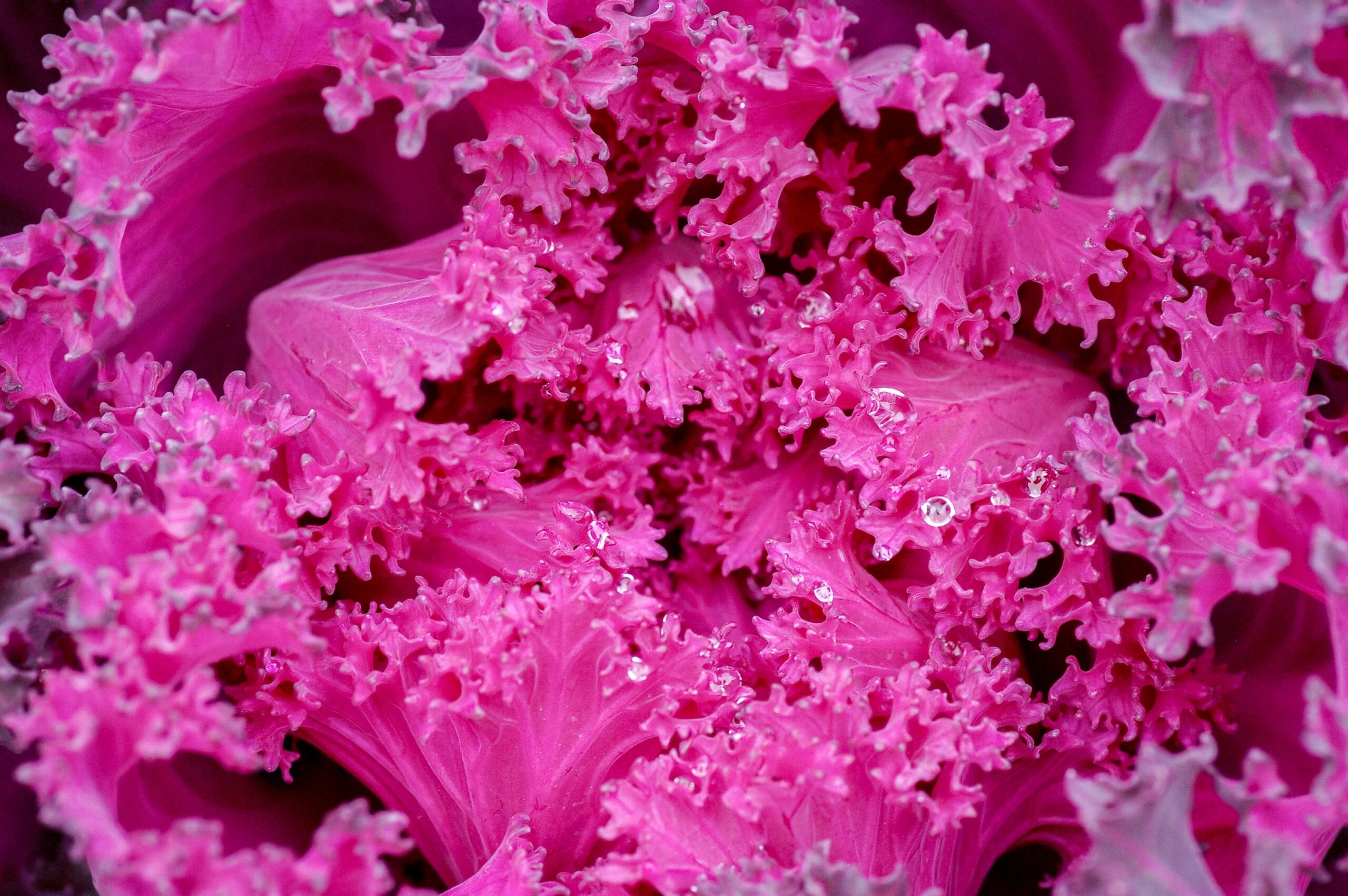
Pulled a head of romaine, iceberg, or butterhead lettuce out of your fridge crisper just to find unappetizing red-pink-tinge coloration around the ribs, on the cut ends of stems or along leaf edges? If you find yourself googling “why does lettuce turn pink,” know that you’re certainly not alone – many home cooks, meal preppers and grocery shoppers ask the same question. If it looks unappetizing, spoiled or potentially toxic, you might be worried!
Fortunately, this coloring change, while off-putting, rarely indicates truly unsafe bacterial spoilage or toxicity.
Generally, turning pinkis an issue with nature’s underlying physiological processes, enzyme reactions, mechanical harm and even exposure. Let’s delve deeper into the biochemistry of why this sometimes does-and doesn’t-happen and explore how to extend the life of your delicate greens.
Quick Summary: Why Does Lettuce Turn Pink?
If you are looking for a fast answer before diving into the detailed science, this reference matrix highlights the primary causes and safety guidelines:
| Primary Cause | Underlying Mechanism | Is It Safe to Eat? | Primary Prevention Strategy |
| Enzymatic Oxidation | Polyphenol oxidase (PPO) reacts with oxygen when cells rupture | Yes (Safe; trim or eat) | Use a sharp ceramic knife; tear by hand |
| Ethylene Gas Exposure | Ethylene triggers pink spot formation (russet spotting) | Yes (Safe; remove affected leaves) | Store away from apples, bananas, & tomatoes |
| Mechanical Injury / Bruising | Crushed plant cells leak phenolic compounds into tissues | Yes (Safe; trim bruised parts) | Handle gently; avoid overpacking crisper |
| Temperature Fluctuation | Freezing damages cell walls, accelerating post-thaw pinking | Yes (Texture may be soft/wilted) | Store at 34°F–38°F (1°C–3°C); avoid back of fridge |
| Bacterial / Fungal Rot | Soft, slimy, foul-smelling decay secondary to cell damage | NO (Discard immediately) | Keep leaves dry; consume before rot sets in |
1. The Biochemistry: Enzymatic Browning and Phenolic Oxidation
The core biological explanation for why does lettuce turn pink lies in a natural defense mechanism known as enzymatic browning—the same chemical reaction that turns sliced apples, avocados, and potatoes brown when exposed to air.
┌──────────────────────────────────────────────────────────────────────────┐
│ ENZYMATIC OXIDATION IN CUT LETTUCE │
├──────────────────────────────────────────────────────────────────────────┤
│ │
│ [Cellular Rupture / Cutting] ──► Cell Walls Break, Releasing PPO Enzymes │
│ │ │
│ ▼ │
│ [Substrate Contact] ──► PPO Reacts with Phenolic Compounds │
│ │ │
│ ▼ │
│ [Oxygen Exposure] ──► Atmospheric O₂ Oxidizes Phenols to │
│ Quinones │
│ │ │
│ ▼ │
│ [Pigment Polymerization] ──► Quinones Form Pink / Red Polyphenols │
│ (Pink Discoloration) │
│ │
└──────────────────────────────────────────────────────────────────────────┘
Inside intact plant cells, enzymes and substrates are kept strictly separated in different cellular compartments:
- Polyphenol Oxidase (PPO): An enzyme stored within the plastids and cytoplasm of the plant cell.
- Phenolic Compounds: Chemical compounds stored safely within the cell’s central vacuole.
What happens when you chop or slice lettuce? This ruptures all the cell walls of lettuce, enabling PPO enzymes, phenolic compounds and oxygen from the air to interact. This PPO reacts with phenolic compounds to create a Quinone which further reacts to form a reddish-pink or reddish brown colored pigmnent. Since apples or potatoes have larger percentages of phenolic compounds than lettuce does, this reaction forms a lighter pinkish, rust-like or reddish coloring instead of an extremely dark one.
2. Ethylene Gas Sensitivity and “Russet Spotting”
Another major reason why does lettuce turn pink during home storage is exposure to ethylene gas—a natural, gaseous plant hormone produced by ripening fruits and vegetables.
┌──────────────────────────────────────────────────────────────────────────┐
│ ETHYLENE-INDUCED RUSSET SPOTTING │
├──────────────────────────────────────────────────────────────────────────┤
│ │
│ [Climacteric Produce] ──► Releases Ethylene Gas (Apples, Bananas) │
│ │ │
│ ▼ │
│ [Lettuce Absorption] ──► Lettuce Absorbs Ethylene in Storage │
│ │ │
│ ▼ │
│ [Phenylalanine Phenyl-──► Ethylene Triggers PAL Enzyme Production │
│ ammonia Lyase (PAL)] │
│ │ │
│ ▼ │
│ [Russet Spotting] ──► Reddish-Pink / Brown Pit Marks Form Along Ribs │
│ │
└──────────────────────────────────────────────────────────────────────────┘
Lettuce is extremely sensitive to ethylene. When stored near high ethylene producers (such as apples, bananas, pears, tomatoes, or avocados), ethylene gas stimulates the lettuce to produce an enzyme called phenylalanine ammonia-lyase (PAL).
PAL synthesizes extra phenolic compounds along the midribs and main veins of the leaves. As these new phenolics oxidize, they form small, pit-like reddish-pink or brown spots known in agriculture as russet spotting.
3. Mechanical Injury, Harvesting Damage, and Bruising

Physical handling plays a significant role when asking why does lettuce turn pink in pre-packaged salad bags or whole heads.
┌──────────────────────────────────────────────────────────────────────────┐
│ MECHANICAL DAMAGE IMPACT POINTS │
├─────────────────────────┬────────────────────────────────────────────────┤
│ MECHANICAL TRIGGER │ IMPACT ON LETTUCE TISSUES │
├─────────────────────────┼────────────────────────────────────────────────┤
│ Dull Knife Blades │ Crushes plant cell walls, smearing PPO enzymes │
│ Overpacked Crisper │ Bruises outer leaves, accelerating pinking │
│ High-Pressure Washing │ Ruptures internal leaf cells during factory │
│ │ processing │
└─────────────────────────┴────────────────────────────────────────────────┘
When lettuce is harvested, packed, or sliced with a dull knife, the mechanical force crushes plant tissue rather than making a clean cut. Crushed cells leak intracellular fluids across surrounding leaf surfaces, resulting in localized pink streaks along damaged midribs within 24 to 48 hours.
4. Temperature Stress and Freezing Damage
Improper refrigeration temperatures frequently explain why does lettuce turn pink at the back of the fridge.
The ideal storage temperature for fresh lettuce is 34°F to 38°F (1°C to 3°C), which helps minimize temperature-related damage and preserve texture. If the temperature drops to or below 32°F (0°C)—often occurring near the cooling vents at the back of top refrigerator shelves—water inside the plant cells freezes and expands into sharp ice crystals.
Sub-Freezing Temperatures ──► Ice Crystals Form Inside Cells ──► Cell Membranes Puncture ──► Fluids Leak Upon Thaw ──► Rapid Pink Oxidation
When the lettuce thaws, these punctured cell membranes release phenolic compounds and PPO enzymes en masse, causing rapid pink discoloration and a translucent, watery texture.
5. Pre-Harvest Field Factors and Soil Nutrition
Sometimes the answer to why does lettuce turn pink traces back to conditions in the field before the lettuce was ever harvested.
┌──────────────────────────────────────────────────────────────────────────┐
│ PRE-HARVEST FIELD INFLUENCES │
├─────────────────────────┬────────────────────────────────────────────────┤
│ FIELD CONDITION │ PHYSIOLOGICAL EFFECT ON LETTUCE │
├─────────────────────────┼────────────────────────────────────────────────┤
│ Excessive Heat / Sun │ Triggers protective anthocyanin pigment │
│ │ production (natural red/pink defense) │
│ Soil Mineral Imbalance │ Low calcium / high nitrogen levels weaken │
│ │ cell wall structure │
│ Water Stress │ Drought conditions increase baseline phenolic │
│ │ concentrations │
└─────────────────────────┴────────────────────────────────────────────────┘
When lettuce experiences heat stress or intense solar radiation during its growth cycle, it produces natural red pigments called anthocyanins as a sunburn-protective shield. Additionally, low calcium levels in the soil weaken cell walls, making harvested leaves more vulnerable to post-harvest bruising and pinking.
6. Is Pink Lettuce Safe to Eat?
A paramount question alongside why does lettuce turn pink is whether affected leaves remain safe for consumption.
Safety Verdict: Pink lettuce caused by oxidation or Ethylene gas exposure from nearby fruits can trigger russet spotting along the leaf ribs, especially when lettuce is stored close to ripening produce.
However, you must distinguish between harmless enzymatic pinking and spoilage from bacterial decay:
┌──────────────────────────────────────────────────────────────────────────┐
│ ENZYMATIC PINKING VS. BACTERIAL SPOILAGE │
├─────────────────────────┬────────────────────────┬───────────────────────┤
│ CHARACTERISTIC │ ENZYMATIC PINKING │ BACTERIAL SPOILAGE │
├─────────────────────────┼────────────────────────┼───────────────────────┤
│ **Texture** │ Crisp, firm, dry │ Slimy, mushy, soft │
│ **Odor** │ Clean, fresh, earthy │ Foul, sour, pungent │
│ **Safety Status** │ **Safe to eat** │ **DISCARD** │
└─────────────────────────┴────────────────────────┴───────────────────────┘
If the lettuce leaves remain crisp, dry, and smell fresh, you can safely eat the pink portions or trim them away for aesthetic preference. If the pink areas are mushy, slimy, wet, or foul-smelling, throw the lettuce away.
7. How to Prevent Lettuce From Turning Pink
Understanding why does lettuce turn pink allows you to implement simple kitchen practices that dramatically extend the shelf life and appearance of your greens.
1.Step 1: Store Lettuce Away From Ethylene-Producing Fruits:Ethylene Isolation.
Keep lettuce in its own dedicated crisper drawer, far removed from ethylene-releasing produce like apples, bananas, pears, tomatoes, and melons.
2.Step 2: Use Hand-Tearing or Sharp Ceramic Knives:Gentle Cutting Techniques.
Tear lettuce by hand along natural cell lines, or use a sharp ceramic knife or plastic lettuce knife. Metal blades—especially dull ones—crush cell walls and react with plant tannins, accelerating pinking.
3.Step 3: Control Humidity and Cushion Leaves:Moisture & Air Control.
Line your storage container or bag with clean, dry paper towels to absorb excess surface moisture while maintaining humidity and helping keep delicate greens fresh. Do not overpack the container, as tight crushing damages cell walls.
4.Step 4: Use an Acidic Rinse for Pre-Cut Greens:Anti-Oxidant Dip.
If prepping pre-cut salad greens in advance, submerge sliced leaves in a mild acidulated water bath (1 tablespoon of lemon juice or white vinegar per quart of cold water) for 2 minutes before drying thoroughly. The low pH deactivates the PPO enzyme.
8. Summary and Key Takeaways
To review the science behind why does lettuce turn pink:
- Enzymatic Oxidation: Damaged plant cells expose PPO enzymes and phenolics to oxygen, forming reddish-pink quinones.
- Ethylene Sensitivity: Exposure to ethylene gas from nearby fruits triggers russet spotting along leaf ribs.
- Mechanical Bruising: Dull knives and tight packing crush cell walls, causing localized pink staining.
- Freezing Injuries: Temperature dips below 32°F rupture internal cell membranes, leading to post-thaw pinking.
- Consumption Safety: Firm, crisp pink lettuce is non-toxic and completely safe to eat; only discard leaves if they become slimy, soft, or foul-smelling.
By isolating your greens from ethylene producers, handling leaves gently, and controlling humidity, you can keep your lettuce fresh, crisp, and vibrant for days.