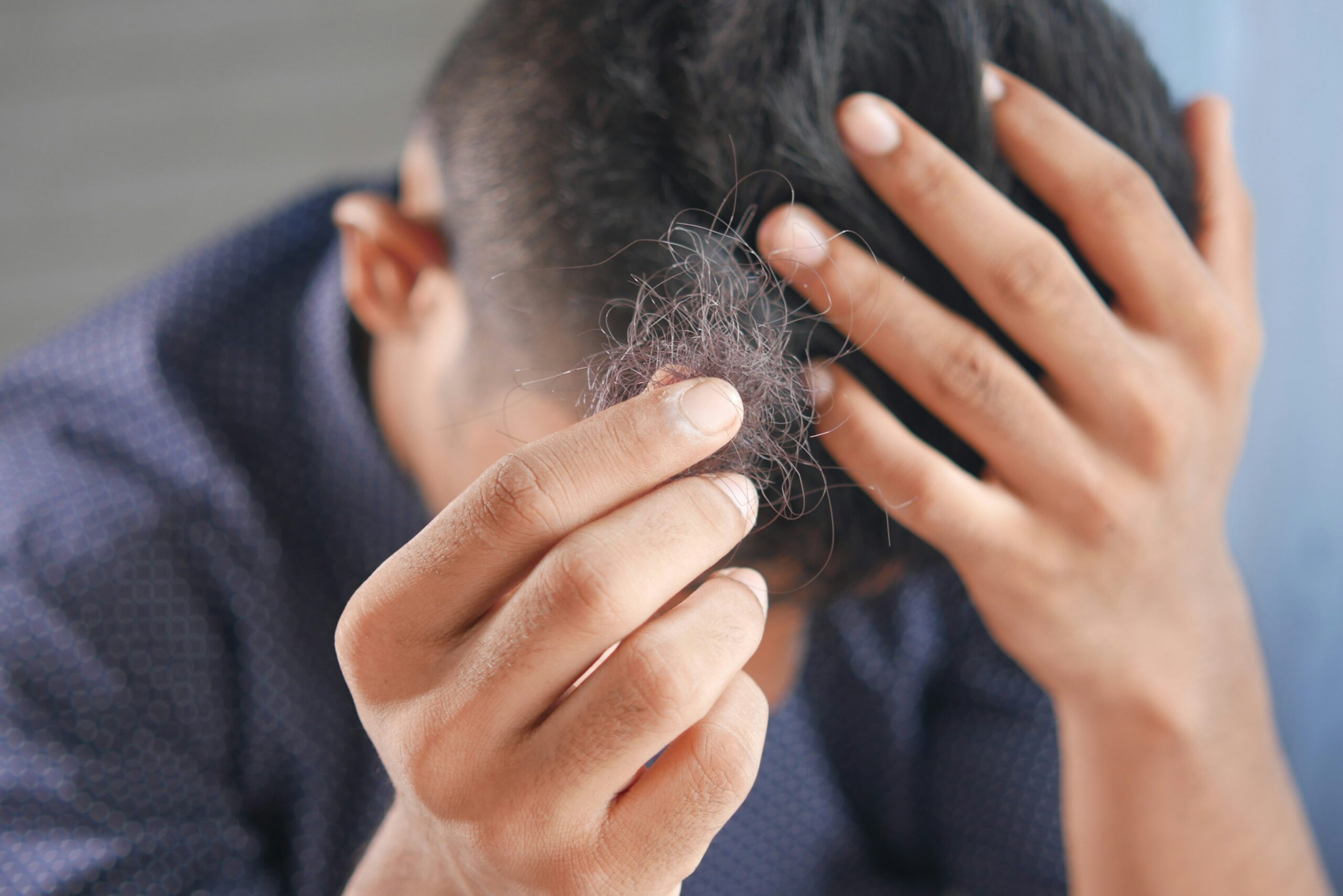
You can see how unpleasant it can be to brush your hair, move your scalp, wear a hat, or just touch your head in general. It can almost feel as if your hair is hurting!But why do my hair follicles hurt when hair is not technically capable of feeling pain?
The answer is often related to skin and nerves located around the follicles rather than the hair shaft itself. Remember that hair follicles grow within the skin, and the dermis layer is the source of the hair growth. It contains nerve endings, blood vessels, and a concentration of immune cells. Thus, these tissues may be irritated, inflamed, infected, or physically traumatized by the action of the hair shaft, making them tender to the touch.
Moreover, sometimes it is rather simple to indicate the reason why the back of your head hurts. It could be a consequence of an over-tight ponytail or using some harsh hair chemical treatments. Simultaneously, this discomfort may be associated with dandruff, folliculitis, psoriasis, migraine, and many other conditions affecting the scalp. Therefore, it is vital to understand the patterns of your discomfort to differentiate between minor irritation and a more serious issue.
Why Hair Can Feel Painful Even Though Hair Itself Cannot
The visible part of your hair is primarily made up of dead cells that have been keratinized and do not have nerve endings that can carry pain signals. The exception is the root, which is located in the skin.
A hair follicle, which is a tiny part of the skin, connects to some nerves and other tissues. These nerve endings are sensitive to pressure and irritation, hot or cold temperatures, and injury.
This probably explains why cutting your hair cannot hurt you, but pulling a strand can. PULLing causes tension in the follicle and the tissues around it, irritating these nerve endings.
This also explains why an irritated spot on the head hurts all over, and not just one strand of hair.
1. Tight Hairstyles Can Put Stress on the Follicles
One of the most apparent reasons behind soreness or sensitive scalps is frequent tension.
Styling your hair in tight hairstyles and hair care practices, such as ponytails, buns, braids, cornrows, weaves, extensions, and other tight styles can put undue stress on hair follicles.
If the tension is too much or is sustained for a relatively long time, the scalp can become tender, particularly when hair follicle inflammation is also present.
The most obvious sign includes sensitivity at the part where the hair is tied. Additionally, the scalp can be sore after removing the hairstyle, especially when it has been worn for a few hours.
Tension that occurs infrequently is not a major concern. However, it is best to minimize tension as much as possible, as habitual pulling can lead to permanent hair loss known as traction alopecia.
Switching up hairstyles and minimizing tension can alleviate a sore or sensitive scalp.
2. Folliculitis Can Make Individual Areas Tender
Folliculitis may develop due to infection inside hair follicles, resulting in irritation, inflammation, and other disorders. It can be caused by bacteria, fungi, irritation, rubbing, and other reasons.
The bumps that appear on the scalp are small and can have pus or take the shape of pimples. In other cases, folliculitis bumps are itchy, burning, and sore. Touching or brushing them can be unpleasant, especially for scalp folliculitis.
Pimple-like eruptions are often more localized than a widespread rash, although both can occur with folliculitis. Itching or discomfort are more common than sharp pain, but individual cases may vary. Touching one’s eruptions should be avoided as much as possible. It can lead to further irritation and potential bacterial infections. Consulting a doctor is necessary if the bumps are too prominent, numerous, painful, or recurring to establish the cause and receive appropriate treatment.
3. Dandruff and Seborrheic Dermatitis May Irritate the Scalp
Flaking may indicate a more serious condition than just dryness.
The condition known as seborrheic dermatitis of the scalp often occurs on the skin, particularly the areas covered with oil glands, causing flaking and redness.
When the inflammation is strong, the scalp may become sore and sensitive in addition to being itchy.
Moreover, scratching the flakes may lead to further damage to the skin, and using irritating substances such as shampoos, too much shampooing, very hot water, or rough scrubbing of the scalp may also be the cause of irritation.
It is best to pay attention to an irritated scalp with flaking, redness, itching, and soreness, if it persists for a prolonged period of time or causes discomfort, consult a dermatologist.
4. Hair Products Can Trigger Scalp Irritation
A new shampoo, conditioner, dye, styling product, fragrance, or other chemical may irritate the scalp.
It can cause irritant contact dermatitis (a reaction that occurs when the skin is damaged by a substance contacting it) or allergic contact dermatitis (an allergic reaction that causes the rash).
In the case of irritant contact dermatitis, it is often possible to tell what caused the rash based on timing: if the rash developed soon after you started using a particular product, that product is likely to blame.
You should be especially careful with dyes, as allergic reactions to them often involve serious swelling.
If you suspect that a particular product is causing you a rash, stop using it. If the rash does not go away in a few days, consult a doctor. If you experience particularly severe side effects (such as extensive swelling beyond your scalp), seek immediate medical help.
5. Sunburn Can Cause a Surprisingly Tender Scalp
The scalp is often overlooked when considering sun protection measures, especially for those with thin hair, a bald spot, or a particular hairdo that exposes too much skin.
The skin of the scalp can burn easily, resulting in redness, warmth, tenderness, and possible swelling and peeling. It may feel as if your hair roots are also burned; the pain may be quite noticeable.
Protection of exposed scalp skin with sunscreen and a hat allows you to minimize the damage to the skin. However, if the burns are severe, and if you feel ill from the sun exposure, you should seek medical advice.
6. Psoriasis and Other Scalp Conditions Can Cause Soreness
Scalp psoriasis often leads to the formation of thick, scaly patches that can occur beyond the hairline. These patches can be itchy, irritating, and occasionally painful.
In addition, other inflammatory skin diseases can occur on the scalp and affect the hair follicles. Because there are several similar conditions, prolonged irritation of the scalp cannot be considered only due to dandruff.
Furthermore, the appearance of thickened, plate-like formations, periodic scalping, erosion, hair loss, and irritation that does not respond to treatment are signs that require the patient to visit a dermatologist.
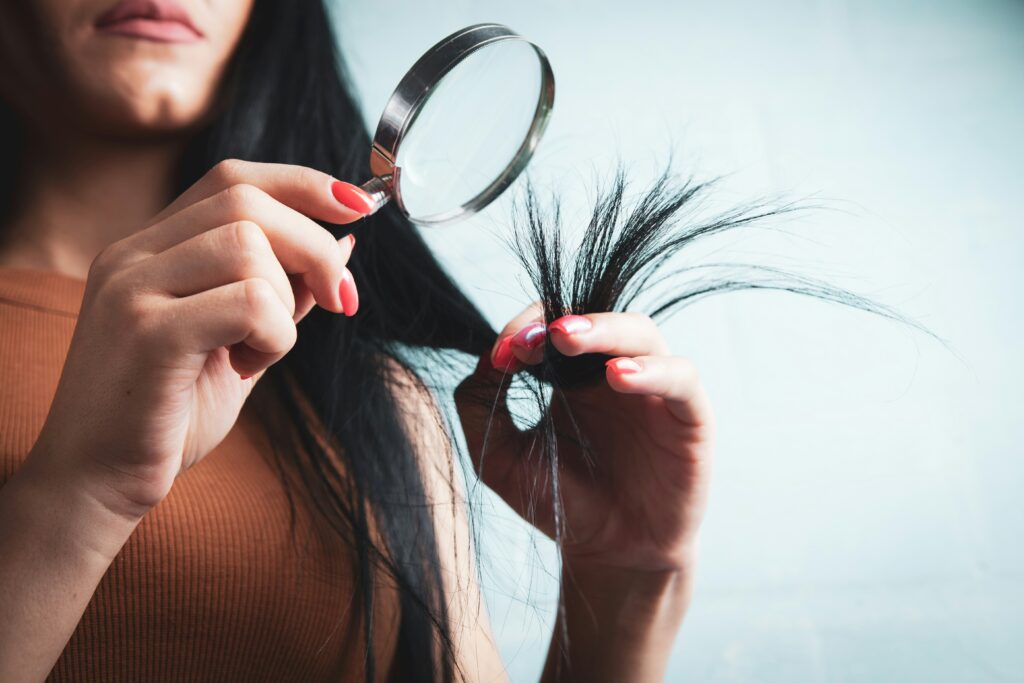
7. Infections May Cause Scalp Pain and Hair Changes
Certain infections can affect the scalp and follicles
For example, tinea capitis, an infection of the scalp, can cause scaling, itching, broken hairs, tender swollen patches, and hair loss.This condition is more common in children but can also occur in adults.
Other infections can cause warmth, tenderness, swelling, drainage, or worsening pain,
An infected area may not be gradually improving. Such a situation may involve fever, rapid spread of redness, significant swelling, pus, or excruciating pain.
8. Migraine and Nerve Sensitivity Can Make the Scalp Hurt
Not always the scalp. When brushing your hair (or laying your head on a pillow at night, or simply gently stroking your head), it may hurt even when no infection or skin ailment is responsible for any follicle inflammation or disease, say when someone develops a type of pain referred to as cutaneous allodynia – otherwise innocuous light touch can feel pain – during or around a migraine. Headaches can also be associated with a sensitive scalp and symptoms including headache, light or sound sensitivity and nausea.
9. Stress and Muscle Tension May Contribute to Scalp Sensitivity
Stress doesn’t mean the follicles are inherently problem, though it can alter sensitivity perception. The tightness on scalp, head and adjacent musculature often is felt as discomfort/pressure and you could be more aware than normal of an area when you get really wired or you don’t sleep enough. Don’t just blow it off that something has been more sore just because of stress. Be cognizant and evaluate that as a possible contributor when experiencing a physical symptom.
What Does the Pattern of Pain Tell You?
The location and character of the discomfort can provide useful clues.
If your scalp hurts after wearing a tight hairstyle, mechanical tension is a reasonable possibility.
If there are red bumps, pimples, crusts, or drainage, follicle inflammation or infection deserves consideration.
If there is widespread itching and scaling, a scalp skin disorder may be involved.
If the scalp becomes painful during or around headaches, a neurological or migraine-related explanation may be possible.
If the discomfort began after using a new hair product or dye, irritation or an allergic reaction may be responsible.
These patterns cannot establish a diagnosis on their own, but they can help explain why scalp pain should be evaluated in context rather than treated as a single condition.
What Can You Do When Your Scalp Feels Sore?
What is done best depends on the source, but you can take some elementary precautions to limit avoidable aggravations: Let up on styles, etc., that require pulling hair and to limit repeated actions in one spot to limit over and over irritation. Scrub your scalp no more than is required in shampoo time. Don’t fiddle with zits, flakes, or scabs.
If new stuff is tied to symptoms stop it until symptoms cease.
When trying new products try not to introduce a variety simultaneously or the problem may be more obscure when it’s discovered. A cool compress may give mild temporary symptom Relief from the irritations. There is, of course, an underlying reason that a person may experience these symptoms so symptoms shouldn’t just be made to disappear.
When Should You See a Doctor?
Occasional scalp tenderness after pulling your hair into a tight style or using an irritating product is often temporary. Persistent or unexplained pain is different.
Consider medical evaluation if the scalp pain:
- Continues or repeatedly returns without an obvious explanation
- Is accompanied by significant hair loss
- Produces painful or pus-filled bumps
- Causes extensive redness, swelling, crusting, or scaling
- Becomes increasingly severe
- Occurs with fever or other signs of infection
- Develops after a significant allergic reaction
- Is accompanied by severe headache or other unusual neurological symptoms
A dermatologist can examine the scalp, follicles, skin changes, and pattern of hair loss to determine what is actually causing the tenderness.
The Difference Between Hair Pain and Scalp Pain
It’s helpful, as well, to note that it’s generally the surrounding tissues, not the hair itself, that cause pain. When someone states that “my hair hurts,” they might be referring to follicular inflammation, hair being pulled from tight style, or some irritation of the skin itself, sensitive nerves, etc. This distinction is key, since changing shampoos won’t solve pain resulting from tight hairstyles and untying a ponytail won’t help a fungal infection. Whatever you do, the solution depends on the cause of the sensitive scalp.
Conclusion
So, why do my hair follicles hurt? In most cases, the sensation comes from irritated or stressed tissue around the follicles rather than from the hair itself. Tight hairstyles, folliculitis, dandruff, contact reactions, sunburn, an inflamed scalp, infection, and sensitivity of the nerve can all cause a sore scalp.
Monitor associated symptoms along with pain, such as redness, bumps, scaling, discharge, and hair loss; persistent inflammation is also indicative of a underlying disorder. If the tenderness does not resolve when visible causes of irritation are removed, persists, is recurrent, or severe, you should consult with a physician to ascertain if a recognized scalp condition requires treatment.
Don’t assume that all sore scalps have the same cause; a sore scalp is a symptom, and recognizing patterns is often the first step to a correct diagnosis.
Frequently Asked Questions
Can dirty hair cause the hair follicles to hurt?
Not simply because the hair is dirty. However, buildup of oil, sweat, styling products, or skin flakes can irritate some scalps and contribute to inflammation or discomfort.
Why does my scalp hurt when I move my hair?
Moving the hair can pull on sensitive follicles and surrounding tissue. This is particularly noticeable after tight hairstyles, prolonged tension, or scalp inflammation.
Can wearing a ponytail cause scalp pain?
Yes. A tight ponytail can place mechanical stress on the hair follicles and scalp. Repeated or prolonged tension can also contribute to traction-related hair loss.
Why does my scalp hurt but look normal?
Pain can occur without obvious visible changes. Nerve sensitivity, migraine-associated allodynia, mechanical tension, or early irritation can sometimes cause tenderness before visible symptoms appear.
Should I worry if my painful scalp is also losing hair?
Persistent scalp pain combined with hair loss deserves attention. Several scalp conditions can cause both symptoms, so a dermatologist can help identify the cause.
Can stress make my scalp hurt?
Although stress can cause muscle tension and a heightened sensitivity to pain, constant scalp pain should not be readily put down to stress, without exploring other causes first.
When is scalp pain an emergency?
Severe or rapidly worsening pain accompanied by significant swelling, spreading redness, fever, a serious allergic reaction, or neurological symptoms warrants prompt medical attention.