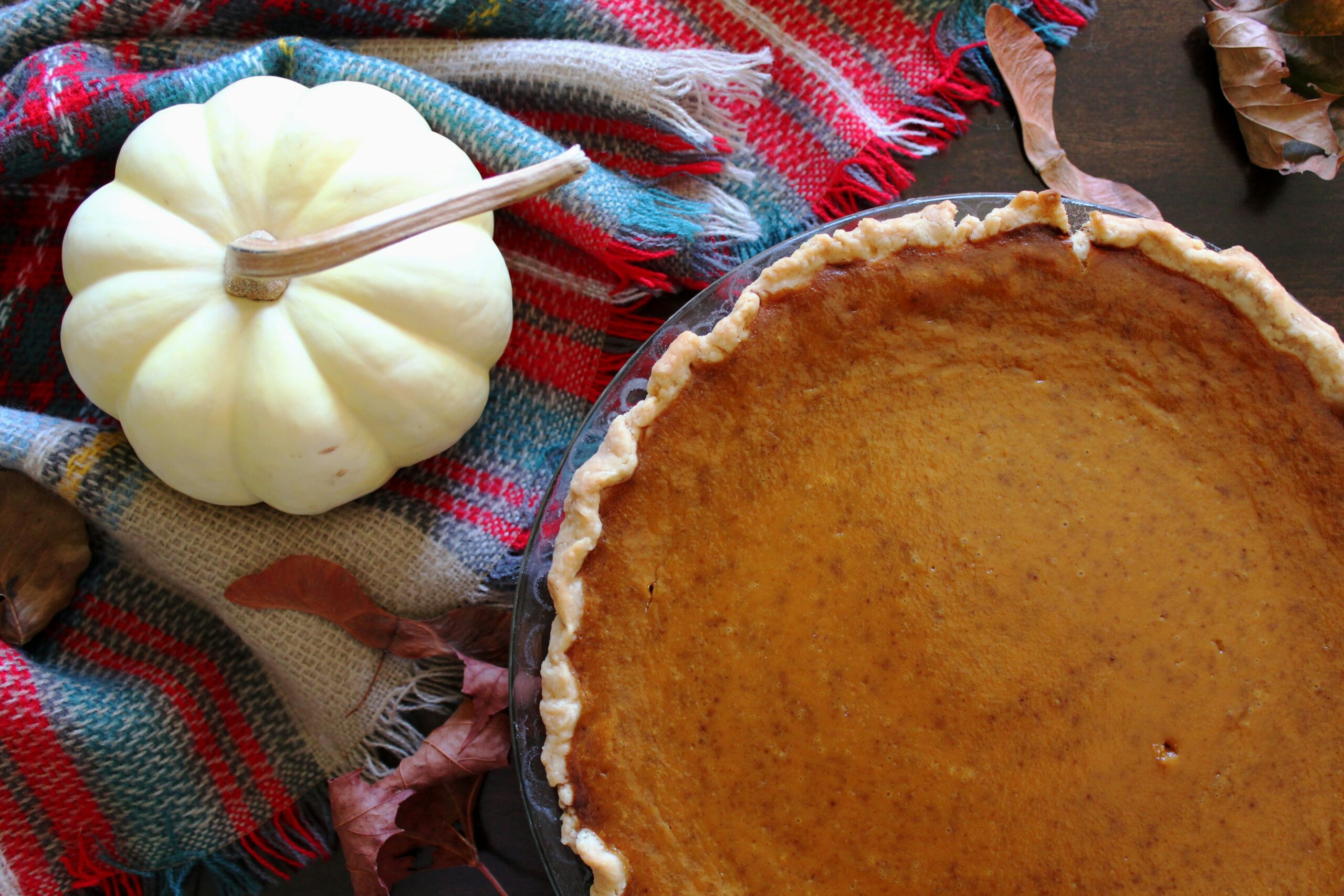
Standing in the kitchen after a marathon holiday baking session, you are often left staring at a glass bowl containing half a cup to two cups of sweet, spiced orange batter. You do not want to throw away good ingredients, but rolling out another batch of pie crust feels overwhelming. Deciding what to do with leftover pumpkin pie filling requires a clear understanding of what type of mixture you actually have, as canned pre-spiced filling behaves differently from homemade custards or plain canned puree.
When home bakers search for what to do with leftover pumpkin pie filling, they usually face two core challenges: safety and culinary application. If your mixture contains raw eggs and dairy, it carries a strict shelf life that limits how you can use it. Conversely, if your leftover is straight from a commercial “pumpkin pie mix” can, it requires a different approach to balancing moisture and sweetness.
This guide provides a structured blueprint to help you evaluate your leftover mixture, select the right culinary technique based on volume and ingredients, and preserve extra filling safely without wasting food.
Critical First Step: Identify Your Pumpkin Mixture Type
Before selecting a recipe or storage method, you must identify precisely what is sitting on your counter. People frequently confuse pure pumpkin puree with prepared pie filling, leading to baking failures or food safety mistakes.
+—————————————————————————————+
| Pumpkin Mixture Classification Matrix |
+————————–+————————————————————+
| Category | Ingredients Present & Culinary Profile |
+————————–+————————————————————+
| Canned Pure Pumpkin | 100% cooked squash/pumpkin. Unsweetened, unspiced. |
| | Requires added sugar, spices, and liquid for baking. |
+————————–+————————————————————+
| Commercial Pie Mix | Pumpkin puree pre-blended with sugar, water, salt, and |
| (Canned “Pie Filling”) | spices (cinnamon, nutmeg, ginger). No eggs or dairy added. |
+————————–+————————————————————+
| Homemade Custard Filling | Fully mixed pie batter containing pumpkin, sugar, spices, |
| (Raw Batter) | raw eggs, and dairy (evaporated milk, cream, or condensed).|
+————————–+————————————————————+
Why This Distinction Matters
If you have canned pure pumpkin, you have maximum flexibility. You can swirl it into savory soups, mix it into dog treats, or blend it into smoothies because it contains no added sugars or raw animal products.
If you have commercial pie mix, it is sweet and spiced, but completely shelf-stable until opened. Since it lacks eggs, you can use it in no-bake applications like yogurts or oatmeal, provided you adjust for the added sugar.
“Homemade custard filling contains raw eggs and milk, so it should be handled carefully and cooked thoroughly to reduce the risk of foodborne illness.”
Decision Support: Choosing the Right Application Based on Volume
The best solution depends on how much leftover mixture remains in your bowl. Trying to force a half-cup of liquid batter into a project that requires two cups leads to unbalanced, soggy baked goods.
┌──────────────────────────────────────────────────┐
│ Assess Leftover Mixture Volume │
└────────────────────────┬─────────────────────────┘
│
┌──────────────────────────┼──────────────────────────┐
▼ ▼ ▼
┌─────────────────────────┐┌─────────────────────────┐┌─────────────────────────┐
│ Small (2 tbsp – 1/2 cup)││ Moderate (1/2 – 1 cup) ││ Large (1 – 2+ cups) │
├─────────────────────────┤├─────────────────────────┤├─────────────────────────┤
│ • Swirl into oatmeal ││ • Quick breads & loafs ││ • Crustless mini-pies │
│ • Pancake batter booster││ • Muffin battery fold ││ • Pumpkin bread pudding │
│ • Warm spice latte base ││ • Waffle mix enhancer ││ • Baked custard ramekins│
└─────────────────────────┘└─────────────────────────┘└─────────────────────────┘
What to Do with Leftover Pumpkin Pie Filling: Solution Strategies
Depending on the volume you have left, several practical options exist for using your leftover mixture cleanly and efficiently.
Option 1: Quick Breads, Muffins, and Cake Swirls (Moderate to Large Volumes)
One of the most practical answers when deciding what to do with leftover pumpkin pie filling is incorporating it into moisture-rich batters. Pumpkin acts as a natural humectant, keeping baked goods tender for days.
- Fold Into Muffin Batters: If your mixture is a complete egg-and-milk custard batter, reduce the liquid (milk or water) called for in your standard muffin recipe by 30 percent, then fold in the filling. The spices and sugar in the pie mix will enhance the flavor of spice cakes or vanilla muffin bases.
- Marbled Quick Breads: Pour a basic yellow or chocolate cake batter into a loaf pan, spoon lines of pie filling along the top, and drag a butter knife through to create a marbled pattern. Continue baking until a toothpick inserted into the cake comes out clean or with only a few moist crumbs.
- Pancake and Waffle Enrichment: Stir up to 1/2 cup of raw custard filling directly into your morning pancake batter. Because the filling contains eggs and dairy, it cooks right on the griddle, yielding fluffy, aromatic spiced pancakes.
Option 2: Individual Crustless Custard Ramekins (Large Volumes)
If you made too much traditional egg-and-dairy custard batter and run out of pie dough, do not waste time rolling out a second crust.
Lightly grease small ceramic ramekins or a silicone muffin tin with butter. Pour the remaining filling directly into the ramekins, filling them about 3/4 of the way full. Place the ramekins in a wide baking dish, add 1/2 inch of hot water to the dish to create a gentle water bath (bain-marie), and bake at 325°F (163°C) for 25 to 35 minutes until the centers are just set.
This creates single-serving, gluten-free crustless pumpkin custards that can be chilled and topped with whipped cream, completely solving the question of what to do with leftover pumpkin pie filling without extra baking prep.
+—————————————————————————————+
| Comparing Application Options for Egg-Based Fillings |
+————————–+——————–+—————————————+
| Application | Preparation Time | Best Used For |
+————————–+——————–+—————————————+
| Crustless Ramekins | 5 Minutes | Pure raw custard batter (1+ cups) |
+————————–+——————–+—————————————+
| Pancake/Waffle Booster | 2 Minutes | Small amounts of raw batter (1/2 cup) |
+————————–+——————–+—————————————+
| Bread Pudding Base | 10 Minutes | Stale bread chunks & excess batter |
+————————–+——————–+—————————————+
| Layered French Toast | 5 Minutes | Whisking into egg-milk dip for bread |
+————————–+——————–+—————————————+
Option 3: Pumpkin Spice Bread Pudding (Large Volumes)
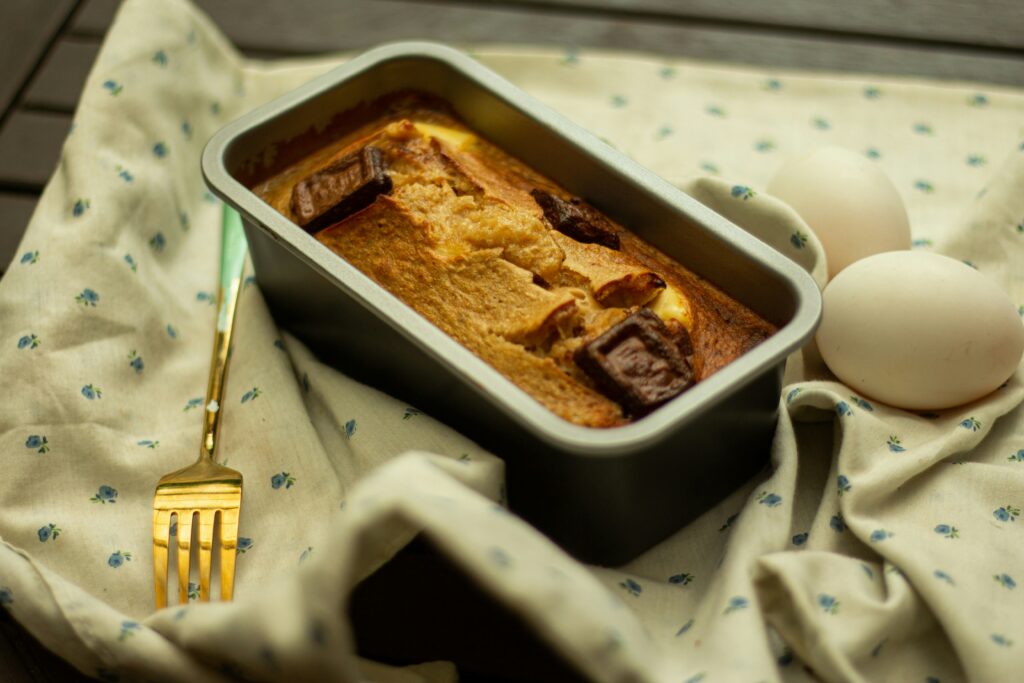
Bread pudding relies on a sweet egg-and-milk custard to bind stale bread together. Leftover raw pumpkin pie filling is an egg-and-milk custard, making it an ideal base.
Tear stale brioche, challah, or French bread into bite-sized cubes and place them in a baking dish. If your leftover filling is somewhat thick, thin it slightly with a splash of whole milk or heavy cream, then pour it evenly over the bread cubes. Press the bread down so it absorbs the mixture for 15 minutes, then bake at 350°F (175°C) until puffy and golden brown.
Option 4: No-Bake Toppings and Oats (Egg-Free Mixes Only)
If your leftover is a commercial canned pie mix (containing pumpkin, sugar, and spices, but no raw eggs), you do not need to cook it before eating.
- “Warm Oatmeal Booster: Stir two tablespoons of commercial pie mix into hot rolled oats along with chopped pecans and a splash of milk for an instant autumn breakfast, or explore more easy pumpkin recipes for additional ways to use seasonal ingredients.”
- Spiced Yogurt Parfaits: Layer vanilla Greek yogurt, commercial pie mix, and granola in a glass jar for a fast, portion-controlled snack.
- Warm Dessert Sauce: Gently heat the sweetened filling in a saucepan with a tablespoon of butter and a dash of maple syrup, then spoon it over vanilla ice cream or warm waffles.
Safe Food Handling, Refrigeration, and Freezing Protocols
When evaluating what to do with leftover pumpkin pie filling, safety must be your top priority, particularly when dealing with raw eggs and dairy products.
┌────────────────────────────────────────┐
│ Leftover Filling Created │
└───────────────────┬────────────────────┘
│
▼
┌────────────────────────────────────────┐
│ Contains Raw Eggs or Dairy? │
└─────────┬────────────────────┬─────────┘
│ │
YES │ │ NO
▼ ▼
┌────────────────────────┐ ┌────────────────────────┐
│ Refrigerate immediately│ │ Transfer opened can to │
│ Must use within 48 hrs │ │ glass/plastic container│
│ OR Freeze up to 3 mos │ │ Use within 5-7 days │
└────────────────────────┘ └────────────────────────┘
Refrigeration Timeframes
- Raw Custard Batter (With Eggs/Milk): Must be covered tightly and stored in the refrigerator immediately. Use it within 24 to 48 hours. Because raw eggs lose structural integrity and harbor bacteria over time, keeping raw custard in the fridge for several days compromises safety and baking performance.
- Opened Canned Mix (Egg-Free): Transfer the unused portion from the metal tin into an airtight glass or plastic container. Metal cans can impart an off-flavor to acidic foods once exposed to air. Refrigerate leftovers and enjoy them within 5–7 days.
Freezing Guidelines

If you cannot use your leftover filling within two days, freezing is a safe, efficient option.
- Use Portion-Controlled Containers: Scoop 1/2-cup portions of leftover filling into freezer-safe silicone muffin molds or small freezer bags. Pre-portioning makes it easy to thaw only what you need later.
- Label with Date and Type: Mark whether the filling contains raw eggs or if it is simple canned pie mix.
- Freeze Duration: Raw egg-based custards and commercial mixes both freeze well for up to 3 months.
- Thawing Technique: “Always thaw egg-based fillings overnight in the refrigerator rather than leaving them at room temperature, following standard food safety guidelines for perishable foods.”
Common Mistakes to Avoid with Leftover Filling
Avoid these frequent mistakes to ensure your extra filling turns out great and stays safe to eat:
- Leaving Open Canned Mix in the Metal Can: Leaving leftover pumpkin mix in an opened tin in the fridge can cause oxidation, giving the filling an unpleasant metallic taste. Store leftovers in a clean, airtight container to help maintain freshness.
- Consuming Raw Custard Filling Uncooked: Homemade pie fillings contain raw eggs. Tasting the raw batter to check for spices poses a risk of salmonella. Taste and adjust spices before whisking in raw eggs.
- Replacing Pure Puree with Pie Mix in Savory Recipes: Adding commercial pie mix to a savory pumpkin soup recipe will ruin the dish with unexpected sugars and sweet spices. Save sweetened pie mix for desserts and breakfast dishes.
- Adding Too Much Liquid Batter to Cake Mixes: Pouring an entire cup of liquid raw pie filling into a boxed cake mix without adjusting the other liquids results in a gummy, dense cake that sinks in the middle.
Strategic Action Checklist for Leftover Filling
Keep this quick reference guide in mind whenever you finish making pumpkin pies:
- [ ] Identify the Mix: Check if your leftover contains raw eggs, added sugar, or is 100% pure pumpkin.
- [ ] Measure the Volume: Determine if you have a few tablespoons, 1/2 cup, or 1+ cups remaining.
- [ ] Choose Your Path: Use small amounts for oatmeal/pancakes, medium amounts for muffins/breads, and large amounts for ramekins or bread pudding.
- [ ] Package Correctly: Transfer metal can contents to glass/plastic; cover raw egg batters tightly.
- [ ] Track the Clock: Cook raw egg fillings within 48 hours, or freeze in 1/2-cup portions for up to 3 months.
Knowing what to do with leftover pumpkin pie filling turns a potential kitchen waste problem into a simple, delicious bonus treat. By matching your leftover volume to the right recipe and following smart food safety steps, you can easily turn extra pie batter into breakfast, snacks, or mini-desserts.