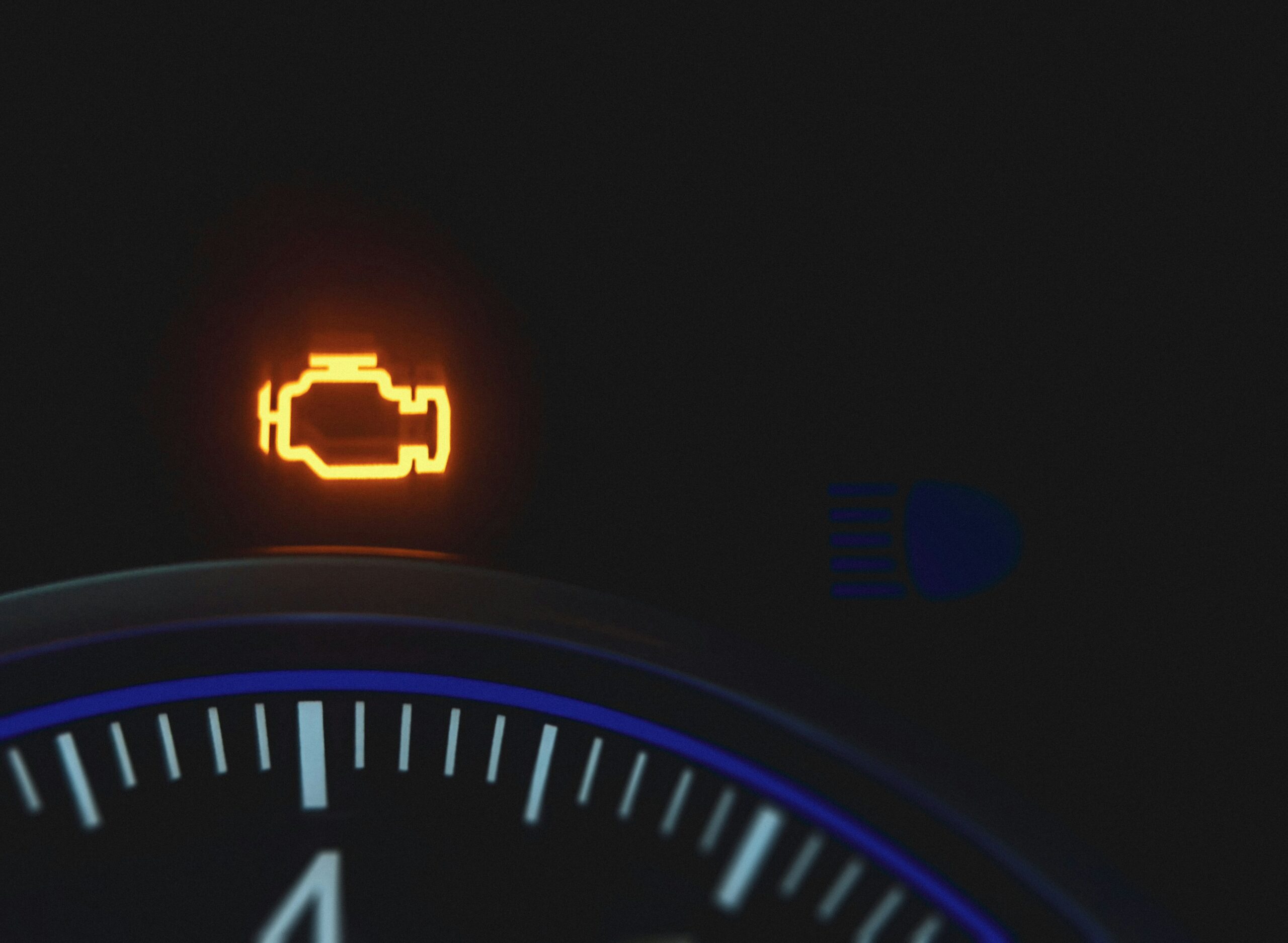
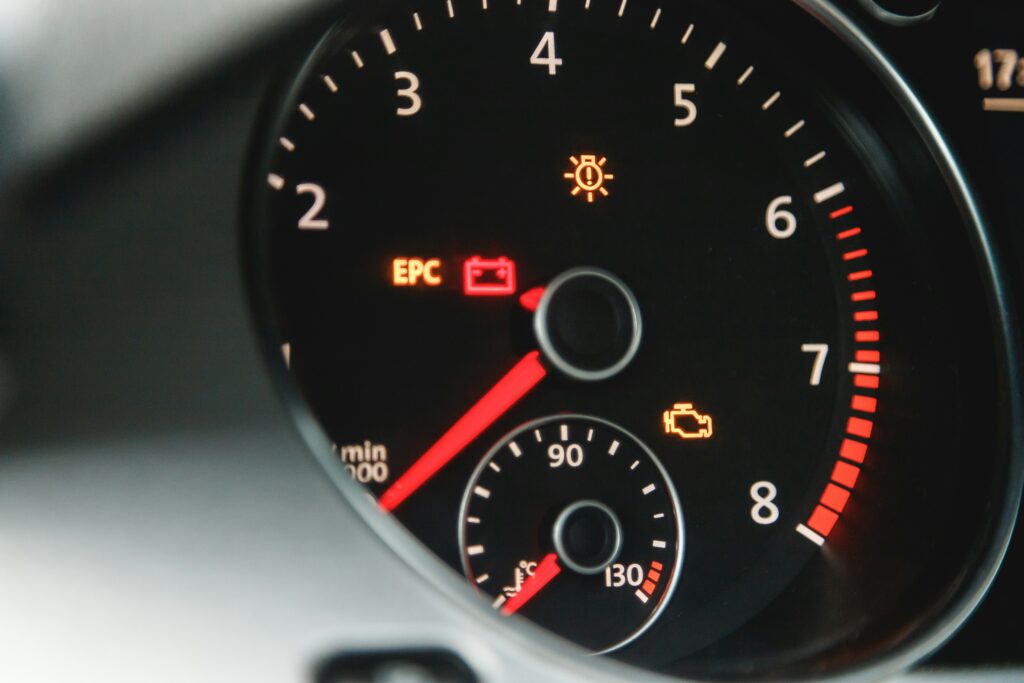
Seeing your check engine light suddenly flash can be alarming, especially if it stops a few moments later. Many drivers immediately wonder, why is my check engine light flashing then stops, and whether it’s safe to continue driving. While a steady check engine light usually indicates that the vehicle has detected a fault requiring attention, a flashing light often points to a more urgent issue.
In many vehicles, a flashing check engine light indicates that the engine is experiencing a severe misfire. During a misfire, one or more cylinders fail to burn the air-fuel mixture correctly. Unburned fuel can enter the exhaust system and overheat the catalytic converter, potentially leading to expensive repairs if the problem continues.
If the flashing stops after a short period, the issue may have been temporary or intermittent. However, that doesn’t necessarily mean the problem has disappeared. Understanding why is my check engine light flashing then stops can help you decide whether you should continue driving or have your vehicle inspected as soon as possible.
What Does a Flashing Check Engine Light Mean and What Should You Do?
The check engine light is part of your vehicle’s onboard diagnostic (OBD) system, which works alongside the OBD-II diagnostic system to detect engine and emissions problems. Sensors throughout the engine and emissions system constantly monitor performance.
When the system detects a problem, it stores a diagnostic trouble code (DTC) and illuminates the warning light.
A steady light generally indicates a fault that should be checked soon.
A flashing light usually indicates a condition that could quickly damage important engine or emissions components if driving continues.
Although the exact meaning varies by manufacturer, a flashing light most commonly suggests a severe engine misfire.
Why Does the Light Flash and Then Stop?
If you’ve been asking why is my check engine light flashing then stops, the answer often involves an intermittent problem rather than one that occurs continuously.
For example, the ignition coil might get “weak” under heavy load when the gas is pressed more. Similarly the spark plug might only not fire at a certain load. Under smoother operations where it no longer misfires the light might no longer blink. Nonetheless the code often still exists in the vehicles ecu, until it is cleared or numerous driving cycles go by with the same issue.
Even if the light disappears, the underlying issue may still require repair.
Engine Misfires Are the Most Common Cause
The most frequent explanation for why is my check engine light flashing then stops is an engine misfire.
A properly running engine relies on four basic elements:
- Fuel
- Air
- Compression
- Spark
If one of these is interrupted, combustion becomes incomplete.
Common causes of misfires include:
- Worn spark plugs.
- Faulty ignition coils.
- Damaged spark plug wires (on older vehicles).
- Fuel injector problems.
- Vacuum leaks.
- Low fuel pressure.
- Compression issues.
A mechanic can identify which cylinder is misfiring by reading the stored diagnostic trouble codes.
Faulty Spark Plugs
Spark plugs wear gradually over time.
As the electrode becomes worn, the spark weakens, making ignition less reliable. Misfires may occur only during acceleration, climbing hills, or carrying heavy loads.
If the misfire becomes severe enough, the check engine light may flash briefly before stopping once engine conditions improve.
Replacing spark plugs at the manufacturer’s recommended service interval helps prevent many ignition-related problems.
Ignition Coil Problems
Modern vehicles commonly use an ignition coil for each cylinder.
A weak or failing coil may operate normally when the engine is cool but begin misfiring once temperatures increase.
Symptoms often include:
- Rough idle.
- Reduced power.
- Poor acceleration.
- Increased fuel consumption.
- Occasional flashing check engine light.
A failing ignition coil may trigger the warning light only occasionally because the problem often starts intermittently.
Fuel System Problems
Your engine also depends on the correct amount of fuel reaching each cylinder.
Possible fuel-related causes include:
- Dirty fuel injectors.
- Weak fuel pump.
- Clogged fuel filter (on vehicles equipped with replaceable filters).
- Fuel pressure problems.
When fuel delivery becomes inconsistent, the engine may misfire under certain driving conditions, triggering a temporary flashing warning light.
Vacuum Leaks
Air entering the engine without being measured by the engine computer can upset the fuel-air mixture.
Vacuum leaks may occur due to:
- Cracked hoses.
- Intake gasket leaks.
- Loose vacuum connections.
- Damaged intake components.
These leaks sometimes create intermittent misfires that become more noticeable during idle or acceleration.
Catalytic Converter Concerns
One reason manufacturers use a flashing warning instead of a steady light is to protect the catalytic converter.
During repeated misfires, unburned fuel enters the exhaust system, where it can overheat the catalytic converter.
Catalytic converters are expensive emissions-control components, and understanding how a catalytic converter works explains why prolonged driving with an active misfire can cause permanent damage.
This is why a flashing check engine light should never be ignored, even if it later stops flashing.
Can Low-Quality Fuel Cause It?
In some cases, yes.
Poor-quality gasoline, contaminated fuel, or fuel with an incorrect octane rating may contribute to temporary engine misfires.
If the problem disappears after refueling with high-quality fuel, the issue may have been fuel-related. However, if the flashing light returns, further diagnosis is recommended.
Can Weather Affect the Check Engine Light?
Extreme weather can occasionally contribute to intermittent engine problems.
Heavy rain, high humidity, or freezing temperatures may affect ignition components, sensors, or electrical connections.
For example, moisture entering a worn ignition coil or damaged spark plug boot can temporarily interfere with proper spark delivery.
Although weather itself is not usually the root cause, it may expose existing weaknesses in the ignition system.
Is It Safe to Keep Driving?
Once customers see a light flash, one of their first questions to the technicians at the dealership would be is it okay for me to continue my trip. If your questioning, why is my check engine light flashing then stops. Your best bet is to go by the idea that if my check engine light is flashing it is warning me, and I need to address this soon.
A flashing check engine light can be the first warning of an engine misfire taking place and will destroy the catalytic converter. If your engine is shaking, running rough, making noises it does not usually make or lacks power, slow down to a slower pace, don’t step on the gas, and pull over as soon as you find a place you can safely pull over. By not doing so you could have an inexpensive repair turn into a very expensive one.
If the light stops flashing and the vehicle runs fine once again it might be okay to travel a short distance to a repair shop, but the vehicle should still have its engine looked at right away because the same problem could happen again.
How Mechanics Diagnose the Problem
Diagnosing the cause of a flashing check engine light involves more than simply replacing parts.
A technician will usually begin by connecting an OBD-II scan tool to the vehicle. The scan tool retrieves diagnostic trouble codes stored in the engine control module. These codes help identify which system is experiencing a fault.
The inspection may also include:
- Checking ignition coils and spark plugs.
- Testing fuel pressure.
- Inspecting fuel injectors.
- Looking for vacuum leaks.
- Examining electrical wiring and connectors.
- Monitoring live engine data while the engine is running.
- Performing compression or leak-down tests if an internal engine problem is suspected.
This systematic approach helps identify the true cause instead of replacing parts based on guesswork.
Common Repairs That May Solve the Problem
The appropriate repair depends on the cause of the flashing warning light.
Some of the most common fixes include:
- Replacing worn spark plugs.
- Installing a faulty ignition coil.
- Cleaning or replacing fuel injectors.
- Repairing damaged vacuum hoses.
- Replacing a malfunctioning oxygen sensor when appropriate.
- Repairing wiring problems.
- Correcting fuel delivery issues.
- Addressing internal engine problems if necessary.
In many cases, ignition-related repairs solve intermittent flashing check engine light problems, especially when misfire codes are present.
Can the Light Turn Off by Itself?
Yes. One reason people search why is my check engine light flashing then stops is because the warning sometimes disappears before they reach a repair shop.
The computer watches your car’s performance, so if you see that light start flashing, turn off the engine. It’s possible that after you restart it, and depending on what caused the warning to turn on in the first place, it will turn off on its own, especially if it just so happened that the misfire stops and your car now operates just as it did before (your computer computer’s memory may still store the warning), and hopefully, if you haven’t been ignoring for a while it will go out completely after a few “drive cycles”.
Even if this light completely turn off by itself, it’s still a very good idea to have a check about why the warning lights come on just recently. Why will problems continue as if nothing will happened until everything you will eventually collapse with other parts?
Will a Loose Gas Cap Make the Check Engine Light Flash?
A loose or damaged gas cap commonly causes a steady check engine light because it can affect the vehicle’s evaporative emissions system.
However, it is unlikely to cause a flashing check engine light.
A flashing warning light generally points to an engine misfire or another fault that calls for faster action than a steady warning light.
Checking the gas cap is simple and worthwhile, but drivers should not assume it explains a flashing warning light.
How to Help Prevent Future Problems
How to Help Prevent Future Problems is easier when you follow our automotive maintenance guides for routine vehicle care.
Although not every engine problem can be prevented, regular maintenance greatly reduces the risk.
Good preventive habits include:
- Replacing spark plugs at the manufacturer’s recommended intervals.
- Following the scheduled maintenance plan in the owner’s manual.
- Using the recommended fuel grade.
- Replacing air filters as needed.
- Addressing engine performance problems promptly instead of waiting.
- Keeping up with oil changes and fluid maintenance.
- Having unusual engine noises or vibrations inspected early.
Preventive maintenance often costs far less than repairing major engine damage.
Common Myths About Flashing Check Engine Lights
Several myths lead drivers to underestimate the seriousness of this warning.
Myth: If the light stops flashing, the problem is gone.
Not necessarily. An intermittent fault may still exist even though the warning light has turned off.
Myth: Every flashing check engine light means the engine is ruined.
In many cases, the problem involves ignition components such as spark plugs or ignition coils, which can often be repaired without replacing the engine.
Myth: You can ignore a flashing light if the car still drives.
Even if the vehicle appears to drive normally, continued misfires can damage the catalytic converter and increase repair costs.
Myth: Clearing the code fixes the problem.
Erasing diagnostic codes removes the warning from the dashboard but does not repair the underlying mechanical or electrical issue.
When Should You Seek Immediate Repair?
A flashing check engine light should always be taken seriously, but immediate attention is especially important if you notice:
- Severe shaking or vibration.
- Significant loss of engine power.
- Loud knocking noises.
- Smoke from the exhaust.
- Burning smells.
- Poor acceleration.
- Repeated flashing during normal driving.
These symptoms may indicate conditions that could cause additional engine damage if ignored.
Conclusion
If you’ve been asking yourself “why is my check engine light flashing then stops” for a little while now, the most typical reason you might see the “service engine soon” light flicker for a moment or two, then disappear again, is the existence of an intermittent engine misfire. Even if the blinking stops as soon as the engine starts running more evenly, the root cause remains, and isn’t safe to ignore. Learn why you need to fix a light flashing, not solidWhy my check engine light flashing, then stops?
This is an important distinction, because this kind of flashing will also often indicate a severe issue, one that could compromise your catalytic converter or dramatically impact your engine’s power output.
By having it diagnosed and fixed without delay, you can save yourself from larger expenses. For more severe issues and for frequent and/or constant warning light flashes and/or vehicle rough performance, low power or strange sounds, see a service professional ASAP.