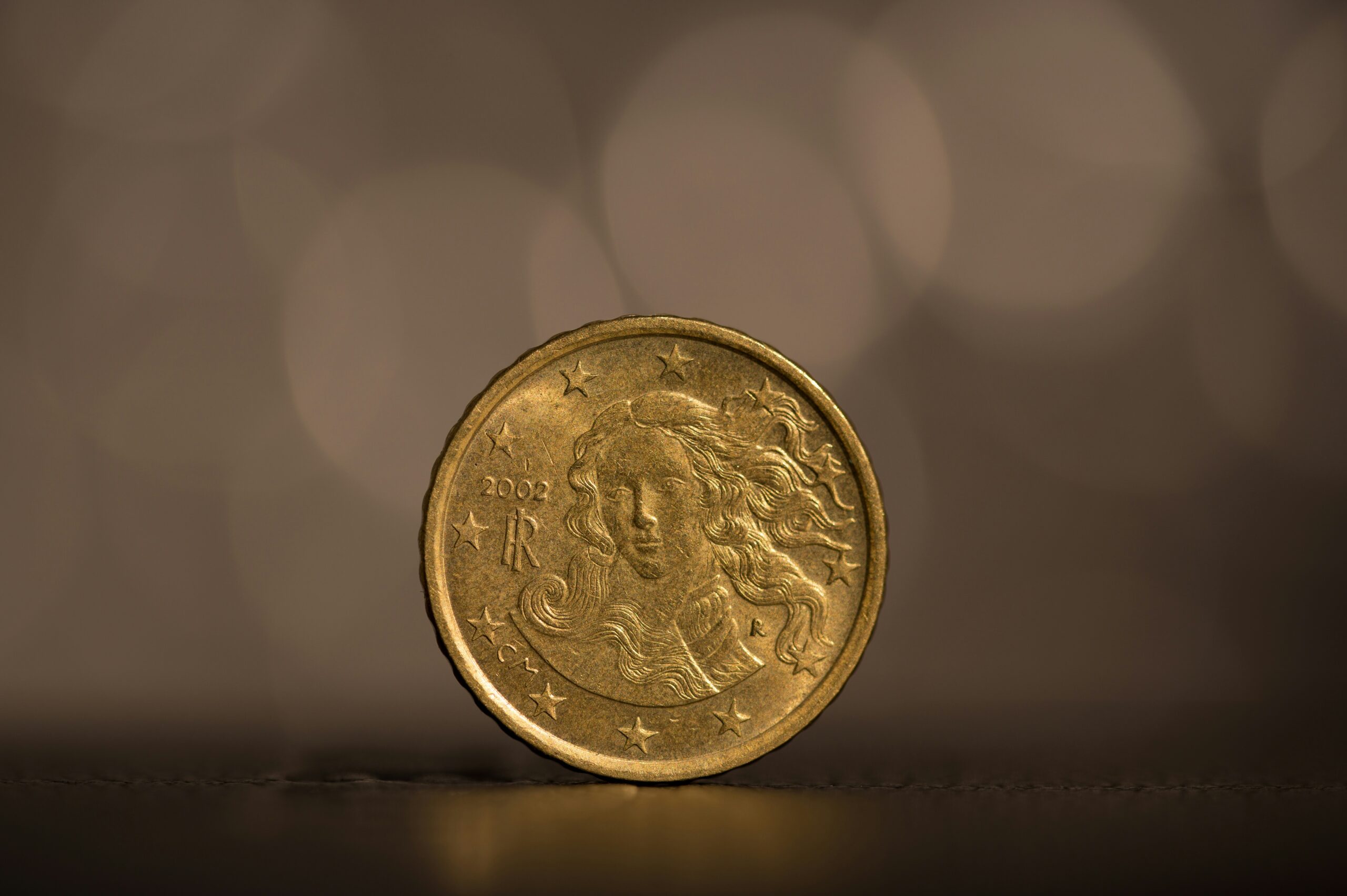
In everyday life, we are in constant contact with coins, mostly without taking notice on any aspect that isn’t an obvious image of a person, the year of its emission or a symbol. The side of the coin which receives less attention is the edge, however the marks on it hide an interesting tale. Why do coins have ridges? The answer integrates history, economy, craftmanship and security.
The ridged edges found on many modern coins are also called reeded edges. Even if, many times, these ridges appear only aesthetic in nature; they were created for pragmatic purposes. Throughout history, especially centuries ago, coins used to be emitted out of valuable metals such as gold or silver.
Certain criminal individuals quickly discovered that they could trim minute amounts of these metals off the edges of the coins without any of them looking altered. The small shavings could later be collected, melted and sold for a large, unlawful profit whilst lighter coins are placed back into the economical cycle. Mints, decided to adapt their emission methods and began adding ridges which showed any minute change from the original coin; even today, because money has been replaced by less valuable metals, such edges still are found on many coins useful for identification, security or even manufacturing.
This article explores why do coins have ridges, how the idea developed, and why this centuries-old design feature remains relevant in today’s business and finance insights.
The Problem That Changed Coin Design
A Long, Long History Before modern banking, many coins incorporated gold or silver into their structure. Coins held value not just because of a government decrees it, but because the metals were valuable enough on their own. Silver and gold coins, therefore attracted people with greed and those kinds of people became known as ‘coin clipping’.
Coin clipers would shave the outer edge of the coin with tiny knives or files.
With hundreds and thousands of coin clips saved up, a coin clipper would then sell the strips or melt them into other forms of manufactured objects. By that, since the loss of metal was difficult to notice the stolen coin, thus passing through the circulate, it further more reduce merchants, officials, and even normal people’s confidence over the new monetary form.
This widespread fraud became one of the main reasons why do coins have ridges today.
How Ridges Solved the Coin Clipping Problem
The solution was surprisingly simple but highly effective.
Instead of leaving coin edges smooth, mints began pressing evenly spaced grooves around the entire circumference during production. These ridges created a pattern that was impossible to remove without leaving obvious damage.
If someone attempted to clip even a small amount of metal, part of the reeded edge disappeared immediately. Anyone accepting the coin could quickly recognize that it had been altered.
This innovation greatly reduced coin clipping and helped restore confidence in circulating currency.
Even though criminals later developed other counterfeiting techniques, ridged edges remained one of the earliest and most successful anti-fraud measures in monetary history.
What Are Reeded Edges?
The ridges on a coin are officially called reeding, and the finished design is known as a reeded edge.
During the minting process, specialized machinery presses the coin between engraved dies while simultaneously forming the edge. The ridges are evenly spaced to create a consistent appearance around the entire coin.
Although many people think these grooves are cut after the coin is made, they are actually formed during manufacturing as part of a single production process.
Because modern minting equipment operates with incredible precision, each coin receives nearly identical edge details.
Why Modern Coins Still Have Ridges
Today’s circulating coins are generally made from less valuable metals than historic gold and silver coins. As a result, clipping is no longer the widespread problem it once was.
So why do coins still have ridges?
One reason is security. Reeded edges remain another feature that counterfeiters must accurately reproduce. Although they are not the only anti-counterfeiting measure, they add another level of manufacturing complexity.
Another reason involves tradition. Many countries continue using ridged edges because they have become an established characteristic of certain denominations.
Ridges also improve identification. People can often distinguish coins by touch alone, making them easier to recognize without looking.
In addition, vending machines, parking meters, and coin-counting equipment may use edge characteristics along with diameter, thickness, and weight to help identify different coins accurately.
Not Every Coin Has Ridges
An interesting fact about coin design is that not all coins feature reeded edges.
Some coins have completely smooth edges, while others include lettering, decorative patterns, or interrupted grooves. The choice depends on the country’s mint, the coin’s purpose, and its denomination.
In many currencies, higher-value coins are more likely to have ridges, while lower-value coins often have smooth edges. This variation helps people quickly tell coins apart, especially in low-light conditions or without relying on vision.
For individuals with visual impairments, differences in edge texture can make everyday transactions much easier.
Are Ridges Only Used for Security?
Although security was the original reason, the ridges now serve several practical functions.
They make coins easier to grip, especially when fingers are wet or cold. Anyone who has struggled to pick up a smooth coin from a flat surface has experienced the value of additional texture.
Ridges also contribute to quality control. Because the edge pattern must be precisely formed during manufacturing, defects can sometimes be detected more easily during inspection.
Finally, the ridged edge has become part of a coin’s identity. Many people associate certain denominations with their distinctive texture, making accidental confusion less likely.
Different Types of Coin Edges Around the World
Reed patterns might be the best known style, but this type of coin edge is just one in a variety of designs favored by mints across the globe. In fact, you might find plain(or smoothed), lettered, ornate grooves, or mixed edge patterns on coins. When selecting edge patterns for an issue, mints often take into consideration the value of the coin, historical precedent, as well as security.
Perhaps one of the most unique types of coin edges, those with lettered sides essentially inscribe messaging, dates or figures in the coin’s boundary.
A bit more involved to counterfeit, writing requires specialized minting machinery and is tricky to replicate precisely.
Modern mints carefully select edge designs that balance durability, security, ease of identification, and production efficiency.
How Modern Mints Protect Coins Today
How modern coin manufacturing protects today’s currency. If you’ve ever wondered why do coins have ridges when modern technology exists, the answer is that ridges are now only one part of a much larger security system.
Today’s coins include several features designed to discourage counterfeiting, including:
- Precisely controlled weight and dimensions
- Specialized metal alloys
- Distinctive edge designs
- High-detail engraved images
- Advanced minting techniques
- Machine-readable characteristics used by vending machines and banking equipment
Counterfeiters must reproduce all of these features accurately, which is significantly more difficult than copying a coin’s basic appearance.
Although digital payment methods continue to grow, governments still invest heavily in producing secure physical currency that remains reliable in everyday transactions.
Why Some Coins Have Smooth Edges Instead
Not every coin requires ridges.
Lower denomination coins have historically had smooth edges because there hasn’t been much of a reason for people to counterfeit or snip coins of a lower value (they contain inexpensive metal anyway, so shaving edge material won’t produce very much of the base metal). It can be somewhat easier to produce designs that have smooth edges than designs withridged edges. The grooved edge allows people to easily differentiate coins without looking at them-even if you slip your hand into your pocket, you can tell your coins by the edges. This remains a concern in some countries.
Interesting Facts About Coin Ridges
The story behind coin ridges includes several fascinating details that many people never notice.
For example, the number of ridges is not always the same. Different denominations and different countries use unique edge specifications based on their minting standards.
Another interesting fact is that collectors often examine coin edges closely when identifying rare varieties or minting errors. Missing ridges, incomplete edge patterns, or unusual edge markings can sometimes increase a coin’s interest among numismatists, although such errors are relatively uncommon.
Because the edge is produced during the minting process, any irregularity can provide valuable information about how a particular coin was manufactured.
Common Myths About Coin Ridges
Several misconceptions surround the question, why do coins have ridges.
One big myth is that ridges on coins were only invented to add grip. While they help a little bit with the grip this was not actually the reason behind them, the main historical function was in stopping coin clipping. Another belief is that all ridged coins actually contains precious metal.
It just is not the case, the vast majority of circulating coins we still use are alloy metals.
One other idea about these ridges being purely for decorative purposes. While these can make a coin look nicer there actually reasons beyond appearance for them. By understanding the myths we can start to understandwhy such a tiny change on an item would outlast centuries.
Why Ridges Still Matter in a Digital World
As digital wallets, online banking, and contactless payments become increasingly common, some people wonder whether coin design still matters.
The answer is yes.
Millions of coins continue to circulate every day for transportation, vending machines, parking meters, laundromats, retail purchases, and many other transactions. Even in countries where electronic payments dominate, physical currency remains an important backup during power outages, network failures, or situations where digital payments are unavailable.
Maintaining secure, recognizable, and durable coin designs remains an important responsibility supported by currency security features.
The ridged edge, though centuries old, continues to serve practical purposes while connecting modern currency to its historical origins.
The Lasting Legacy of Reeded Edges
Few design features have remained relevant for as long as coin ridges.
Now just a feature to make sure the coins didn’t get stolen, reeded edges are the defining characteristic of coins in use around the globe and are essential in making currency identifiable and identifiable. But though technology is largely the only thing we associate with today, a simple thought is enough to deal with a problem that a long, long time ago, threatened to undermine our confidence in coins.
Conclusion
It was out of necessity for more secure currency that ridges found a permanent place on many denominations. You may have found yourself wondering, “Why do coins have ridges?” When ancient coins made of gold or silver were the main standard for the currency, unethical individuals had no trouble trimming small slivers of precious metal to accumulate their riches discreetly.
The mint added ridges so the public could easily notice unauthorized mutilation to even small portions of the coin.
This made people regain trust in the system as reeded coin edge was a sign that your coin was just and proper value. Even now with coins no longer needing gold or silver to justify a substantial value, ridges persist to improve the overall design, enhance the difficulty level of counterfeiting, make automated devices more adept to sort currency by value and keep a time-honored custom going.