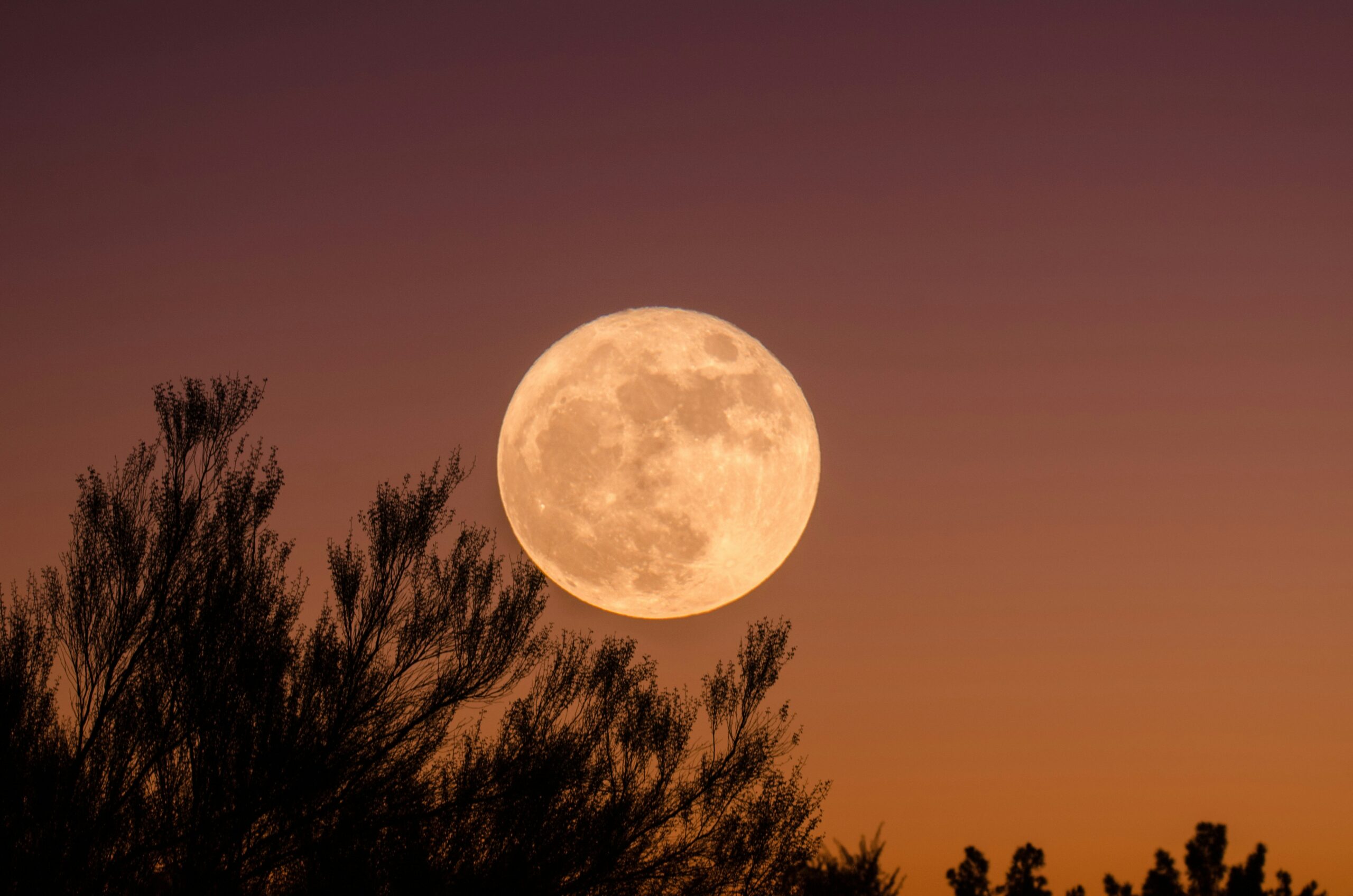
If you’ve glanced out your window recently and asked “Why is the Moon orange tonight?”, then you’re experiencing one of the most breathtaking visual phenomena imaginable. Suddenly your typically bright white or dull gray Moon has taken on a distinct glow of oranges and golds, to the point where it may feel like something unusual and noteworthy has happened on an astronomical scale. That’s usually not the case.
This strange coloration that makes the Moon appear orange has nothing to do with the Moon itself at all, but is much closer to home, in our own atmosphere.
Light from the Moon has passed through our planet’s surroundings, and its path has been altered just enough. Light and the atmosphere and the Moon – now the formerly golden, and the deep reddish – hue is in the sky.
The Moon Isn’t Actually Changing Color
One of the biggest misconceptions is that the Moon physically becomes orange.
The Moon’s surface remains essentially the same color every night. It reflects sunlight toward Earth, and that reflected light normally appears white or slightly gray. What changes is the way our atmosphere filters that light before it reaches our eyes.
Think about a clear glass of water and a glass filled with tinted liquid. The object behind both glasses stays the same, but it looks different because the material in front changes the light passing through it. Earth’s atmosphere works in a similar way.
This is why the answer to why is the Moon orange tonight usually has more to do with conditions on Earth than with anything happening on the Moon itself.
Why the Moon Looks Orange Near the Horizon
The most common reason for an orange Moon is its position during moonrise or moonset.
When the Moon is low on the horizon, its light must travel through a much thicker layer of Earth’s atmosphere than when it is high overhead. During this longer journey, tiny air molecules scatter shorter wavelengths of light—particularly blue and violet—away from your line of sight.
The longer red, orange, and yellow wavelengths continue traveling more directly toward your eyes. As a result, the Moon appears warmer in color.
This process is closely related to the reason sunsets often display brilliant shades of orange and red. The same atmospheric filtering affects both the Sun and the Moon when they are close to the horizon.
How Atmospheric Scattering Creates Warm Colors
The science behind this effect is known as how Earth’s atmosphere affects moonlight, which explains why the Moon can appear orange, red, or yellow under different conditions.
Sunlight contains every visible color mixed together. As light enters Earth’s atmosphere, it interacts with gas molecules, water droplets, and tiny particles suspended in the air.
Shorter wavelengths, such as blue light, scatter much more easily than longer wavelengths like orange and red. By the time moonlight reaches an observer during moonrise, much of the blue light has already been scattered in different directions.
The remaining light contains proportionally more orange and red tones, making the Moon appear warmer than usual.
The amount of scattering changes every night depending on weather conditions, humidity, and the number of particles present in the atmosphere.
Dust, Smoke, and Air Quality Can Intensify the Color
If you’re wondering why is the Moon orange tonight even after it has risen higher into the sky, atmospheric particles may be playing an important role.
Tiny particles suspended in the air can strengthen the filtering effect and deepen the Moon’s color.
Common sources include:
- Dust carried by strong winds
- Wildfire smoke
- Air pollution
- Volcanic ash
- Heavy haze
- Fine moisture droplets
These particles scatter and absorb additional light, sometimes turning the Moon a rich orange or even a dark reddish color.
Following large wildfires or major dust storms, people often report unusually vivid orange Moons because the atmosphere contains significantly more airborne particles than normal.
Weather Conditions Also Influence the Moon’s Appearance
Not every orange Moon is caused by smoke or pollution.
Weather conditions such as humidity, thin clouds, fog, and atmospheric haze can also influence how moonlight travels.
Even on nights without major weather systems, slight increases in moisture can soften the Moon’s brightness and enhance its golden appearance.
Because atmospheric conditions constantly change, the Moon may look orange for only a short time before gradually returning to its familiar white color as it climbs higher above the horizon.
Is an Orange Moon More Common During Certain Seasons?
Many people notice orange Moons more often during late summer and autumn.
There are several reasons for this pattern.
Harvest season often brings increased dust from agricultural activity. In some regions, wildfire smoke is also more common during late summer. Cooler autumn evenings may produce additional haze or moisture near the ground.
Together, these conditions create an atmosphere that scatters more blue light, making orange-colored moonrises easier to observe.
This seasonal effect explains why photographers often capture spectacular orange full moons during the fall months.
Why a Full Moon Often Looks More Orange
Although any phase of the Moon can appear orange, the effect is usually most noticeable during a full Moon.
A full Moon is brighter and larger in appearance than other lunar phases, making color changes easier to recognize. Because many people watch the Moon as it rises on full Moon nights, they are also more likely to see it while it is still low on the horizon, where atmospheric scattering is strongest.
The combination of brightness, viewing angle, and atmospheric conditions often creates the dramatic orange Moon that captures so much attention.
The Moon Illusion Adds to the Experience
Another interesting phenomenon occurs alongside the color change.
When the Moon is close to the horizon, many people perceive it as much larger than when it is high in the sky. This effect is known as the Moon illusion.
Scientists believe this illusion results from the way the human brain compares the Moon with nearby objects such as trees, buildings, mountains, and the horizon itself. Although the Moon’s actual size does not change, it often appears enormous during moonrise.
When a large-looking Moon also glows orange, the combination creates one of the most memorable sights in astronomy.
When an Orange Moon May Indicate Environmental Conditions
In most cases, an orange Moon is a natural phenomenon and nothing to worry about. However, there are occasions when its color reflects changes in the atmosphere caused by environmental events.
Large wildfires can release massive amounts of smoke into the air, allowing only the longer red and orange wavelengths of light to pass through efficiently. Similarly, dust storms may fill the atmosphere with fine particles that scatter light differently than on a clear night.
Even urban air pollution can contribute to a deeper orange appearance, especially when the Moon is rising. While the Moon itself is unaffected, these atmospheric conditions change the way its reflected sunlight reaches observers on the ground.
If the Moon appears unusually dark orange or reddish for several nights in a row, local weather reports or air quality updates may help explain the reason.
Orange Moon vs. Blood Moon: They’re Not the Same
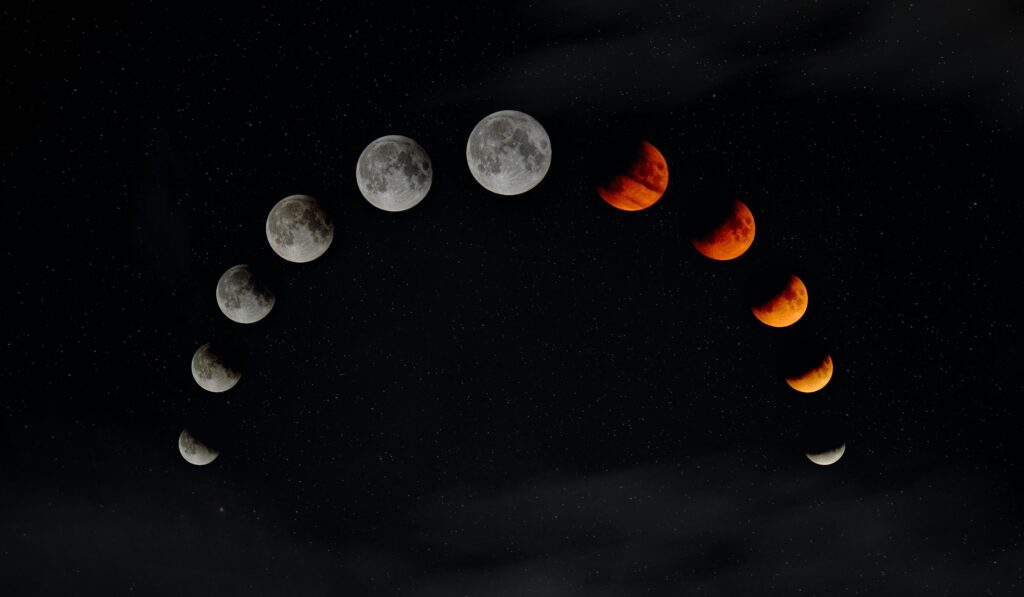
It is very common for people to mix an orange moon with a blood moon, but they actually have completely different causes.
An orange moon generally caused by atmospheric phenomena which filtering sunlight when the moon rises and sets. And it occurs can take place several times every month when the condition suitable and does not need special astronomical event occurred.
While a blood moon takes place at during a total lunar eclipse. At the time the earth comes between the sun and the moon, and sunlight is refracted through the atmosphere and hits the moon. Almost all blue light is scattered in our atmosphere, but the red wavelengths continue through the atmosphere and give the moon its characteristic copper red color.
So even though the phenomenon look similar in terms of their red / orange hue, but have two very different cause.
Can the Moon Look Orange Even When It’s High in the Sky?
Yes, although it is less common.
Normally, once the Moon climbs higher above the horizon, its light travels through less atmosphere, causing it to return to its familiar white or pale yellow appearance.
However, if the atmosphere contains significant amounts of smoke, dust, volcanic ash, or haze, the Moon may remain orange even when it is well above the horizon. This is why people sometimes notice an orange Moon throughout the evening during periods of poor air quality.
Clear, dry nights usually allow the Moon to regain its brighter color much sooner.
Does the Moon’s Phase Affect Its Color?
The phase of the Moon does not directly determine whether it appears orange.
A crescent Moon, quarter Moon, gibbous Moon, or full Moon can all take on warm colors if atmospheric conditions are favorable. The reason full Moons receive the most attention is simple—they are brighter and easier to notice.
A bright full Moon rising over the horizon naturally creates a more dramatic visual effect than a thinner crescent Moon. This makes people more likely to photograph it and search online for answers about why is the Moon orange tonight.
Why the Color Changes as the Night Goes On
Many people notice that the Moon starts out orange but gradually turns yellow and eventually white.
This happens because the Moon’s position in the sky changes throughout the night.
When it first rises, moonlight travels through a long path in Earth’s atmosphere, allowing more blue light to scatter away. As the Moon climbs higher, that atmospheric path becomes much shorter. Less scattering occurs, so more of the Moon’s natural reflected light reaches your eyes.
This gradual transition explains why an orange Moon often lasts only a short time after moonrise.
Can You Predict an Orange Moon?
There is no guarantee a specific moon will look orange, but these contribute: – A perfectly unobstructed view to the eastern horizon at moonrise. – Air pollution-some haze, light smoke, or just more particulate dust, or the added element of humidity can produce a greater color saturation for a Moon or Sunrise/Sunset . – Often ( but not exclusively) you need to look to your near or recent moon – when she is near the new to new near her maximum appearance as an illuminated waxing or waning sphere.
Watching the moon shortly after it is “in view”, after the earliest part of herrise is usually much more rewarding that observing her near her apex high in the sky when her colorations is often not as dramatic. Weather predicting applications, as well as moon rise information and sky conditions, can be utilized by those with an interest in observing this event.
Tips for Photographing an Orange Moon
A big orange Moon is something that people very much want to photograph, but a camera can often be made to record rather different conditions than can be detected by your eyes. You need a tripod to prevent image shake, particularly when using a telephoto lens. A big Moon a few minutes after it rises is more impressive with foreground trees, buildings or mountains to show how large it really is.
Don’t just use a digital zoom, as it can severely degrade image quality and automatic settings aren’t usually suitable when photographing a bright object in a dark sky.
Remember to be patient – over just a few minutes, the color and appearance of the Moon can undergo a tremendous transformation.
Common Myths About an Orange Moon
Throughout history, an orange Moon has inspired countless myths and superstitions.
Some people believe it predicts natural disasters, major weather changes, or unusual events. Others view it as a sign of good or bad luck.
Modern astronomy does not support these beliefs. The color of the Moon is explained by well-understood principles of atmospheric science rather than supernatural causes.
Another common myth is that an orange Moon means the Moon itself has changed color permanently, but understanding natural astronomical phenomena helps explain what is really happening. In reality, the lunar surface remains the same. Only the light traveling through Earth’s atmosphere changes before reaching our eyes.
Why This Natural Phenomenon Continues to Fascinate People
Few sights in the night sky attract attention as quickly as a glowing orange Moon rising above the horizon, making it one of the most interesting science and business discoveries to explore further.
Unlike rare astronomical events that occur only occasionally, an orange Moon is something many people can observe several times each year without special equipment. It combines familiar science with a striking visual experience, making it one of the easiest ways to appreciate how Earth’s atmosphere influences what we see.
The next time someone asks why is the Moon orange tonight, you’ll know the answer lies not on the Moon itself but in the journey its reflected sunlight takes through our planet’s atmosphere.
Conclusion
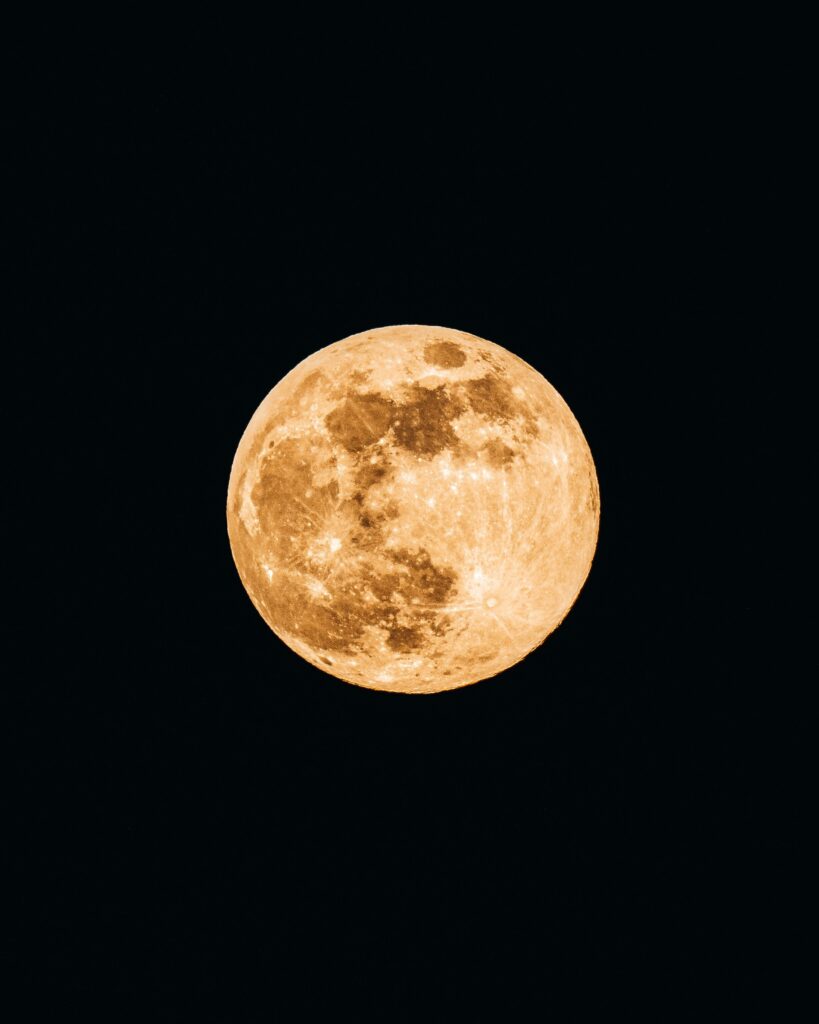
If you find yourself questioning why the Moon appears orange tonight, the reason is typically an ordinary one, rooted in basic atmospheric principles. The Moon itself doesn’t change its hue. Rather, the light it reflects as it orbits Earth must travel through our atmosphere before reaching your gaze. When the Moon is closer to the horizon (during its rise or set), its light must contend with a greater density of air. This denser layer effectively disperses the shorter blue wavelengths while allowing the longer orange and red ones to come through with greater intensity.
It should come as no surprise that factors such as weather, humidity, dust, smoke, haze, and even the time of year can enhance this phenomenon further. Unless you’re aware of a rare astronomical event being publicized, the orange Moon is almost certainly a natural and nonthreatening sighting. Why is the Moon orange tonight? A simple matter of atmospheric optics.
Frequently Asked Questions
1. Why is the Moon orange tonight but white later?
As the Moon rises higher, its light passes through less of Earth’s atmosphere. This reduces light scattering, allowing the Moon to appear closer to its usual white or pale yellow color.
2. Is an orange Moon rare?
No. Orange Moons are fairly common, especially during moonrise and moonset or when atmospheric conditions include haze, dust, or smoke.
3. Does an orange Moon mean there will be bad weather?
Not necessarily. Although haze or humidity may contribute to the Moon’s color, an orange Moon by itself is not a reliable weather predictor.
4. What’s the difference between an orange Moon and a Blood Moon?
An orange Moon is caused by atmospheric scattering near the horizon, while a Blood Moon occurs during a total lunar eclipse when Earth’s shadow falls across the Moon.
5. Can pollution make the Moon look orange?
Yes. Smoke, dust, and air pollution can increase the scattering of light, making the Moon appear deeper orange or even reddish.